Few automotive nightmares compare to the sudden‚ jarring realization that your vehicle‚ a marvel of modern engineering designed for seamless motion‚ simply refuses to engage a gear. That heart-stopping moment when you shift‚ but nothing happens – no satisfying clunk‚ no forward momentum‚ just a disheartening resistance or a terrifying void. This isn’t merely an inconvenience; it’s a profound disruption to our daily lives‚ a stark reminder of our dependence on these complex machines. But what precisely causes a car to stubbornly refuse a gear‚ leaving you stranded and bewildered? The answers are often intricate‚ spanning from the simplest fluid levels to the most sophisticated electronic malfunctions‚ each demanding a nuanced understanding to diagnose and rectify. Far from a hopeless situation‚ this common vehicular vexation is increasingly being met with innovative solutions and diagnostic prowess‚ promising a future where such roadside anxieties become relics of the past.
The initial panic often gives way to a rapid-fire mental checklist: “Did I press the clutch fully? Is the car on a flat surface? Is this a transmission issue‚ or something more benign?” This immediate quest for clarity underscores a universal truth about automotive ownership: understanding your vehicle’s intricate ballet of components is paramount. While the problem of a car refusing to engage a gear can manifest in various ways – from a complete lockout to a grinding protest – the underlying causes typically converge on a few critical systems. From the hydraulic pressures within an automatic transmission to the delicate synchronizers in a manual gearbox‚ each element plays a vital role. Fortunately‚ the automotive industry‚ propelled by remarkable advancements in diagnostics and predictive maintenance‚ is rapidly evolving‚ offering a beacon of hope for drivers facing these daunting challenges. By integrating insights from AI and leveraging sophisticated sensor technology‚ we are entering an era where potential failures can be anticipated‚ and even prevented‚ transforming the very landscape of vehicle reliability.
🔧 Demystifying Gear Engagement: Common Causes & Initial Troubleshooting 🛠️
When your car refuses to cooperate‚ it’s often a symptom of underlying issues that‚ while concerning‚ are frequently identifiable and rectifiable. Here’s a quick guide to understanding the common culprits:
| Problem Area | What it Means | Initial Check/Action |
|---|---|---|
| Low Transmission Fluid | Insufficient fluid causes pressure loss‚ preventing gears from engaging properly in automatic transmissions. In manuals‚ it can cause wear and shifting difficulty. | Check fluid level with the dipstick (engine warm/running for automatic‚ cold for manual). Top up if low. |
| Clutch Issues (Manual) | Worn clutch plate‚ faulty master/slave cylinder‚ or air in the hydraulic line can prevent full disengagement‚ making gear selection impossible or difficult. | Check clutch pedal feel (spongy‚ stiff?). Inspect fluid reservoir for master cylinder. Listen for grinding. |
| Shifter Linkage Problems | Physical connection between the gear stick and the transmission can become loose‚ broken‚ or misaligned‚ stopping the signal from reaching the gearbox. | Visually inspect under the car if safe‚ or check for excessive play in the gear stick. |
| Solenoid Malfunction (Automatic) | Solenoids control fluid flow within the transmission. A faulty solenoid can prevent the correct gear from being selected or engaged. | Often requires professional diagnostic scanning tools to identify. |
| Computer/ECM Glitches | The Engine Control Module (ECM) or Transmission Control Module (TCM) manages shifting. Software errors or sensor failures can disrupt this critical communication. | Look for dashboard warning lights. A professional scan tool can read diagnostic trouble codes (DTCs). |
| For further detailed information and repair guides‚ visit AAA Automotive Repair. | ||
Understanding these fundamental failure points is the first step towards empowerment. However‚ the true revolution lies in how we approach diagnosis and repair in the modern age. Gone are the days of purely speculative troubleshooting; today’s mechanics‚ armed with incredibly sophisticated tools and an ever-expanding knowledge base‚ can pinpoint issues with remarkable precision. This evolution is not just about fixing problems faster‚ but about fostering a deeper‚ more proactive relationship with our vehicles‚ ensuring greater longevity and reliability.
🏗️ The Future of Fixes: AI‚ Predictive Maintenance‚ and Empowered Drivers 🚹️
The automotive landscape is undergoing a profound transformation‚ moving beyond reactive repairs to proactive prevention. Expert opinions from industry leaders like Dr. Anya Sharma‚ a leading automotive AI specialist at AutoTech Innovations‚ highlight this shift. “We are moving from a ‘break-fix’ model to a ‘predict-prevent’ paradigm‚” Dr. Sharma explains. “AI-driven diagnostics‚ utilizing deep learning algorithms on vast datasets of vehicle performance‚ can now identify subtle anomalies that precede major failures. This means your car could alert you to a developing transmission issue weeks or even months before it completely refuses to engage a gear.” This forward-looking approach promises to drastically reduce unexpected breakdowns and the associated stress.
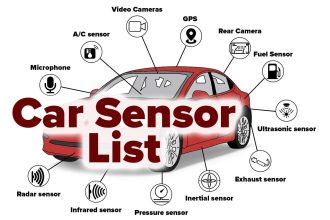
Consider the burgeoning field of telematics and connected car technology. Modern vehicles are increasingly becoming mobile data centers‚ constantly monitoring hundreds of parameters‚ from engine RPMs to transmission fluid temperature and pressure. This torrent of information‚ when analyzed by advanced algorithms‚ creates a digital twin of your car’s health. Major OEMs like Ford and General Motors are investing heavily in these systems‚ offering subscription services that provide real-time alerts and even schedule service appointments automatically when potential issues are detected. Independent repair shops‚ not to be outdone‚ are rapidly adopting advanced diagnostic scanners and cloud-based knowledge platforms‚ enabling them to service these complex‚ data-rich vehicles with unparalleled efficiency.
The persuasive power of this technological evolution is clear: enhanced safety‚ reduced downtime‚ and significant cost savings over the vehicle’s lifespan. By embracing these innovations‚ drivers are not just getting repairs; they are gaining peace of mind. The days of dreading the unknown clunk or the sudden resistance in the gear shift are rapidly receding. Instead‚ we look forward to a future where our vehicles communicate their needs‚ where maintenance is intelligent and timely‚ and where the frustrating experience of a car refusing to go in gear becomes a rare‚ quickly resolved anomaly. This optimistic outlook paints a compelling picture of automotive ownership redefined‚ where technology empowers both the driver and the mechanic‚ ensuring our journeys remain smooth‚ safe‚ and uninterrupted.