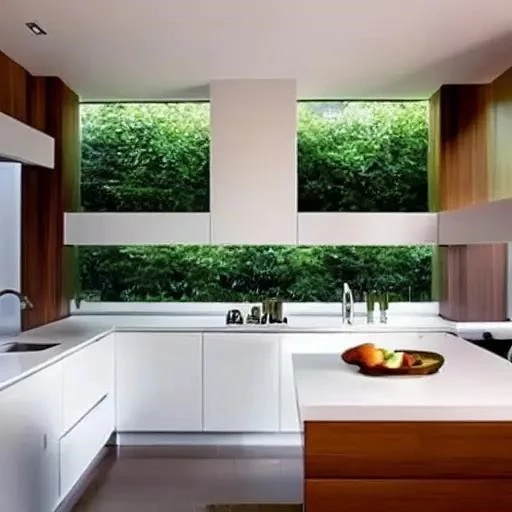
In an era defined by rapid change and evolving lifestyles, the kitchen, often considered the heart of the home, is undergoing a profound transformation. No longer merely a space for culinary creation, it’s becoming a dynamic hub for personal development, familial connection, and sustainable living. This isn’t just about renovation; it’s about designing for kitchen growth – a forward-thinking approach that future-proofs your most vital domestic space, allowing it to adapt, inspire, and thrive alongside you.
Imagine a kitchen that not only accommodates your present needs but anticipates your future aspirations, seamlessly evolving with a growing family, new hobbies, or a renewed commitment to eco-conscious living. This paradigm shift moves beyond mere aesthetics, championing functionality, flexibility, and a deep connection to well-being. By integrating insights from cutting-edge design philosophy and leveraging innovative technologies, we can craft kitchens that aren’t just built to last, but designed to grow, fostering an environment where health, learning, and community flourish organically.
Here are the foundational principles guiding this transformative design philosophy:
| Category | Principle | Description | Key Features & Benefits |
|---|---|---|---|
| Adaptability & Flexibility | Modular & Multi-functional Design | Creating spaces and elements that can be easily reconfigured or serve multiple purposes as needs change over time. | Movable islands, convertible dining/prep areas, adjustable shelving, integrated smart appliance systems. Supports evolving family sizes and lifestyle shifts. |
| Well-being & Connection | Biophilic & Communal Integration | Designing to enhance mental and physical health through natural elements and fostering social interaction. | Abundant natural light, indoor herb gardens, comfortable seating zones, open layouts connecting to living spaces. Promotes relaxation and family bonding. |
| Sustainability & Self-Sufficiency | Eco-Conscious & Resourceful Systems | Incorporating design choices that minimize environmental impact and encourage self-reliance. | Energy-efficient appliances, waste sorting/composting stations, water-saving fixtures, integrated hydroponic systems. Reduces utility costs and carbon footprint. |
| Technological Integration | Smart & Intuitive Solutions | Utilizing technology to enhance convenience, efficiency, and learning within the kitchen environment. | Smart ovens, voice-activated assistants, automated lighting, digital recipe displays, integrated charging stations. Streamlines tasks and offers new possibilities for culinary exploration. |
The Adaptive Kitchen: A Canvas for Life’s Chapters
At the core of designing for kitchen growth lies the principle of adaptability. Think of your kitchen not as a static blueprint, but as a dynamic organism capable of evolving. “The most successful kitchens we design today are those that can gracefully pivot,” asserts renowned architect Anya Sharma, principal at Urban Habitat Design. “Families grow, dietary preferences shift, and even work-from-home trends necessitate multi-functional zones. We’re seeing an incredible demand for modular cabinetry, islands on wheels, and even ‘invisible’ appliances that tuck away when not needed, transforming a bustling prep area into a serene workspace or a sophisticated entertaining hub.” This flexibility is remarkably effective, ensuring your investment truly endures.
Industry pioneers like the Swedish design firm Reform, known for their beautifully crafted, adaptable kitchen systems, exemplify this approach. Their collaborations with acclaimed designers produce components that can be effortlessly swapped, added, or reconfigured, allowing homeowners to refresh their space without a complete overhaul. This concept of a ‘living kitchen’ empowers individuals to tailor their environment to their precise needs, rather than being confined by rigid structures. By integrating insights from AI-driven spatial analysis, designers can even predict future needs, offering predictive solutions that truly future-proof the space.
Cultivating Connection and Well-being
Beyond its utilitarian function, the kitchen is increasingly recognized as a vital contributor to overall well-being. A growing body of research highlights the positive impact of biophilic design – integrating natural elements – on mood and productivity. Incorporating abundant natural light, perhaps through cleverly placed skylights or expansive windows, is paramount. Furthermore, the inclusion of living elements, such as dedicated indoor herb gardens or even small hydroponic systems, not only enhances air quality but also provides a tangible connection to nature, fostering a sense of calm and self-sufficiency. Picture fresh basil plucked directly from your countertop for dinner; it’s a small luxury with immense benefits.
Leading kitchen appliance manufacturers are also embracing this holistic view. Companies like Thermador are integrating features that promote healthier cooking and easier entertaining, understanding that a kitchen’s true value lies in how it enhances life. Thoughtfully designed communal spaces, such as oversized islands with comfortable seating, invite conversation and collaboration, transforming meal preparation from a solitary chore into a shared, joyful experience. This nurturing environment, intentionally crafted, becomes a magnet for family and friends, truly making the kitchen the heart of the home, beating with warmth and connection.
Embracing Sustainability and Smart Solutions
Designing for kitchen growth inherently involves a commitment to sustainability. As consumers become more environmentally conscious, the demand for eco-friendly materials and energy-efficient solutions is skyrocketing. Utilizing recycled content countertops, sustainably sourced wood, and low-VOC paints are becoming standard practices, reflecting a broader ethical imperative. Moreover, the integration of advanced smart technologies plays a pivotal role in optimizing resource consumption. Smart ovens that preheat precisely, refrigerators that track inventory to minimize food waste, and automated lighting systems significantly reduce energy footprints, contributing to a greener household.
“The future of kitchen design is undeniably smart and green,” states Dr. Lena Hansen, a leading expert in sustainable architecture. “We’re not just talking about individual smart gadgets, but fully integrated ecosystems that learn from your habits, optimize energy use, and even facilitate composting and recycling with unprecedented ease.” Imagine a kitchen that reminds you to use ingredients before they expire, or one that automatically adjusts ventilation based on cooking activity. These innovations, while incredibly effective, are designed to be intuitive, working quietly in the background to enhance your life and lighten your environmental load. Companies like Miele, with their focus on durable, energy-efficient appliances, are spearheading this movement, proving that luxury and sustainability can indeed go hand-in-hand.
Your Kitchen: A Blueprint for a Flourishing Future
Ultimately, designing for kitchen growth is an optimistic declaration about the future. It’s about building a space that is not only beautiful and functional but also resilient, inspiring, and capable of fostering personal and collective flourishing. By thoughtfully integrating adaptability, well-being, sustainability, and smart technology, homeowners are not just remodeling; they are investing in a dynamic ecosystem that will support their evolving lives for decades to come. The kitchen of tomorrow is here today, awaiting your vision to unlock its boundless potential for growth and joy.