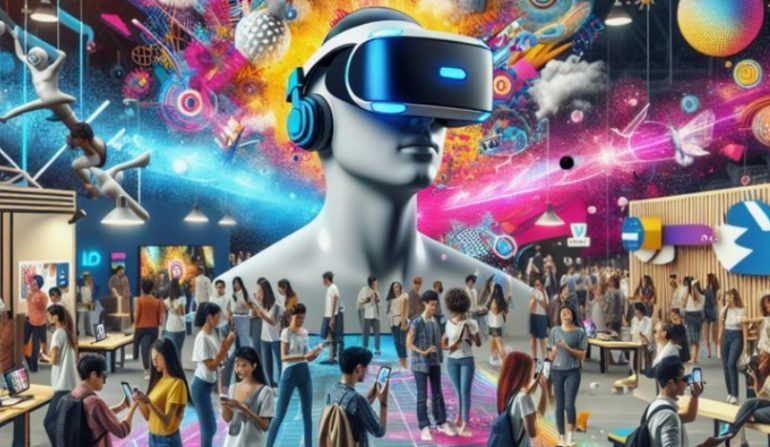
High ROI VR Entertainment Concepts for Shopping Malls and Arenas
Modern commercial real estate is undergoing a massive shift as foot traffic shifts from traditional retail toward immersive spatial experiences. Commercial developers now recognize that interactive tech-driven venues pull consistent footfall, far surpassing classic arcade cabinets or cinema halls. By partnering with leading solution providers like https://battlestart.com/, venue owners unlock scalable formats that maximize revenue per square meter while keeping operating costs lean. Successful VR Entertainment Concepts seamlessly blend cutting-edge hardware with social gameplay dynamics to ensure long-term profitability and high customer retention.
Spatial Economics
Square footage in premium shopping destinations commands top dollar. Therefore, every single square meter must actively generate income throughout opening hours. Arena-scale setups eliminate rigid walls, allowing an open layout to host multiplayer combat tournaments in the morning and cooperative puzzle adventures by evening.
Industry Fact: Location-based virtual reality venues report an average square-foot revenue yield up to three times higher than conventional family entertainment centers, largely due to rapid session turnover and minimal physical inventory requirements.
Attractions with modular tracking boundaries significantly reduce spatial overhead. Operators can easily adapt their floor plans without expensive structural renovations or prolonged downtime. This operational agility keeps real estate yields optimized regardless of season.
High-Throughput Models
To maximize financial performance, operators prioritize hardware combinations that minimize onboarding friction. Quick setup protocols, wireless headsets, and automated safety briefings allow staff to process large player groups rapidly.
- Free-roam multiplayer arenas capable of hosting up to twelve players simultaneously.
- Compact hyper-immersion pods tailored for quick five-minute adrenaline experiences.
- Modular escape room environments featuring dynamic environment adjustments.
- Esports spectator arenas equipped with live telemetry screens for crowd engagement.
Streamlined onboarding routines drastically reduce waiting times during peak weekend hours. Higher player turnover directly boosts daily gross revenue, translating into faster capital payback periods for venue owners.
Diverse Demographic Appeal
While gaming centers once targeted niche tech enthusiasts, modern implementations capture a surprisingly broad audience. Families seeking weekend activities, corporate groups planning team-building events, and teenagers looking for active fun all gather under one roof.
Market Insight: Recent industry surveys reveal that over 45% of visitors to free-roam virtual arenas are first-time users, demonstrating the broad appeal of multiplayer spatial games beyond core video gamers.
Designing versatile VR Entertainment Concepts ensures steady demand across off-peak weekday hours. Corporate packages, school group outings, and competitive local leagues keep revenue streams steady even when casual walk-in traffic slows down.
Future-Proof Scalability
Hardware evolves rapidly, but foundational software platforms remain flexible. Investing in scalable VR Entertainment Concepts allows operators to refresh their catalog via digital distribution without purchasing entirely new physical rigs every season.
Software-Driven Upgrades
Digital game libraries eliminate expensive physical equipment swaps. A simple software update transforms a laser tag arena into a fantasy dragon hunt overnight, creating instant novelty for returning guests.
Operational Efficiency
Automated booking engines, cloud-based device management, and remote diagnostics keep labor requirements minimal. A small team of well-trained attendants can effortlessly manage multi-station arenas, preserving healthy profit margins year after year.