Maximizing Protein Absorption: Unlocking Your Body’s Potential
Understanding how much protein your body can actually absorb and utilize is crucial for anyone looking to optimize their health, fitness, and overall well-being. Protein is the fundamental building block of muscle, enzymes, hormones, and countless other vital components of our physiology. However, simply consuming more protein doesn’t automatically translate to proportional benefits if your body’s absorption mechanisms are not working efficiently. This article will delve into the intricacies of protein absorption, exploring the factors that influence it and providing actionable strategies to ensure you’re getting the most out of your protein intake.
You might have heard various figures tossed around regarding protein absorption limits, often leading to confusion. While there isn’t a single, universally agreed-upon “maximum” absorption rate that applies to everyone in all situations, it’s true that your body has a finite capacity for processing and synthesizing protein at any given time. This capacity is influenced by a multitude of factors, including the type of protein consumed, the timing of your meals, your overall digestive health, and your individual physiological state.
The Science of Protein Digestion and Absorption
The journey of protein begins in the stomach, where hydrochloric acid and enzymes like pepsin start breaking down large protein molecules into smaller polypeptides. From there, the partially digested protein moves into the small intestine. Here, a cocktail of enzymes, primarily from the pancreas and the intestinal wall itself, further dismantles these polypeptides into amino acids and small peptide chains. These smaller components are then absorbed through the intestinal lining into the bloodstream, where they are transported to the liver and subsequently distributed throughout the body for various functions, including muscle repair and growth.
“The human body can digest and absorb up to 90-95% of the protein consumed from various food sources, but the rate at which it can utilize this protein for muscle protein synthesis is a different matter.”
Factors Influencing Protein Absorption Efficiency
Several key factors can impact how effectively your body absorbs and utilizes protein:
* **Type of Protein:** Different protein sources have varying digestibility and amino acid profiles. Whey protein, for example, is known for its rapid absorption, while casein is digested more slowly. Plant-based proteins can also be highly effective, though some may require careful combination to ensure a complete amino acid profile.
* **Digestive Health:** The health of your gut plays a paramount role. Conditions like Irritable Bowel Syndrome (IBS), inflammatory bowel disease (IBD), or even mild digestive discomfort can impair nutrient absorption. Adequate stomach acid and digestive enzyme production are essential.
* **Presence of Other Macronutrients:** Consuming protein alongside carbohydrates and fats can influence its digestion rate. A balanced meal generally leads to slower, more sustained absorption compared to consuming protein in isolation.
* **Individual Metabolism and Activity Levels:** Your body’s metabolic rate and your physical activity levels influence how quickly and efficiently it processes nutrients, including protein. Athletes and highly active individuals often have a greater capacity for protein utilization.
Optimizing Your Protein Intake for Maximum Benefit
To ensure you’re maximizing the benefits of your protein consumption, consider these strategies:
* **Distribute Protein Intake Throughout the Day:** Instead of consuming a large amount of protein in one or two meals, spread your intake across 3-5 meals and snacks. This approach can help maintain a positive nitrogen balance and optimize muscle protein synthesis.
* **Choose High-Quality Protein Sources:** Prioritize whole foods like lean meats, poultry, fish, eggs, dairy products, and legumes. These sources provide a complete spectrum of essential amino acids.
* **Consider Protein Timing:** While total daily intake is most important, consuming protein shakes or meals post-workout can be beneficial for recovery and muscle repair, especially if your previous meal was several hours prior.
* **Support Digestive Health:** Ensure adequate hydration, consume fiber-rich foods, and consider probiotics if you experience digestive issues.
“The concept of a ‘anabolic window’ immediately post-exercise, suggesting a narrow timeframe for optimal protein intake, is less critical than previously thought. Consistent, adequate protein intake throughout the day is more impactful for long-term muscle growth and recovery.”
Common Misconceptions About Protein Absorption
* **”The more protein, the better”:** While crucial, excessive protein intake without corresponding activity can lead to unwanted calorie surplus and potential strain on kidneys in individuals with pre-existing conditions.
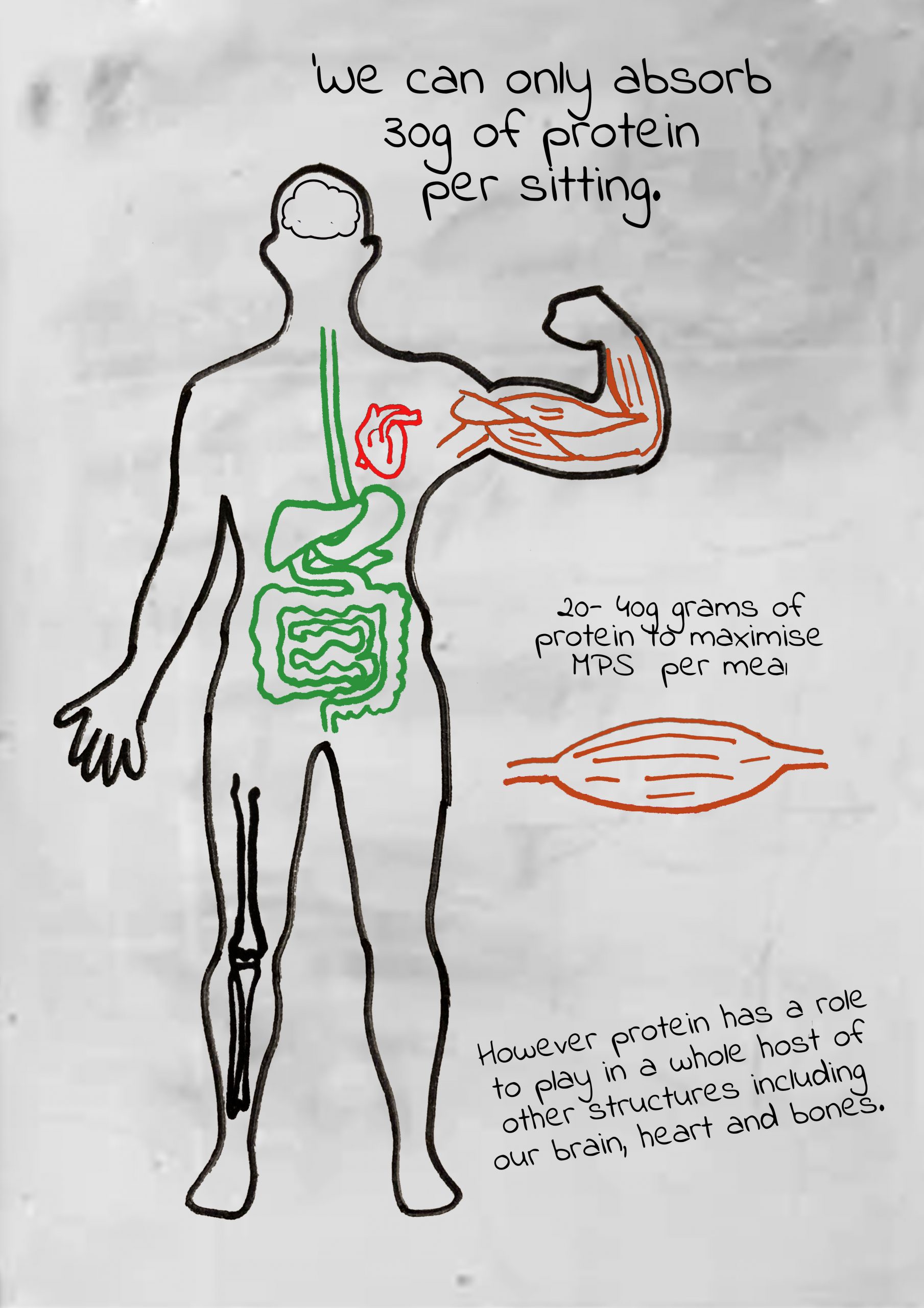
* **”You can only absorb X grams of protein per meal”:** This is an oversimplification. While digestion takes time, your body can handle and absorb significant amounts of protein over the course of a day. The key is consistent intake rather than hitting an arbitrary per-meal ceiling.
Frequently Asked Questions (FAQ)
- How much protein can the average person absorb in one sitting? The average person can digest and absorb a significant portion of protein consumed in a single meal, with estimates often suggesting that 20-30 grams can be effectively utilized for muscle protein synthesis in a typical individual, though this can vary.
- Does protein timing really matter? While total daily protein intake is most critical, strategic timing around workouts can support recovery and muscle repair. However, the idea of a very strict “anabolic window” is an overstatement for most individuals.
- Can I absorb protein from supplements as well as food? Yes, protein supplements are designed to be highly digestible and can be an effective way to increase protein intake, especially around workouts or when whole food sources are inconvenient.
- What are the signs of poor protein absorption? Signs can include muscle loss despite adequate intake, fatigue, digestive issues like bloating or gas, and slow wound healing.
- Is it possible to consume too much protein? For healthy individuals, it’s difficult to consume dangerously high amounts of protein, but excessive intake can lead to consuming excess calories and may put a strain on the kidneys over the long term, especially in those with pre-existing kidney conditions.