How Much Protein in a Chicken Wing? The Ultimate Guide for 2026
Understanding the nutritional content of your favorite foods is crucial for making informed dietary choices. Chicken wings, a popular appetizer and game-day staple, often spark questions about their health benefits, particularly their protein content. Many people wonder, “how much protein in a chicken wing?” This article will delve into the specifics, providing a comprehensive breakdown of protein in chicken wings, considering various factors like preparation methods and serving sizes. Whether you’re a fitness enthusiast tracking your macros or simply curious about your meal, this guide offers clarity on the protein packed into every bite.
Decoding the Protein in Chicken Wings
Chicken wings are a good source of protein, essential for muscle repair, growth, and overall bodily function. The exact amount can vary based on several factors, including the size of the wing, whether it’s cooked or raw, and the specific preparation method. Generally, a medium-sized, cooked chicken wing (with skin) contains approximately 6-8 grams of protein. This figure can fluctuate, and it’s important to consider the serving size you’re consuming. For instance, a typical serving of three medium wings would provide around 18-24 grams of protein.
Factors Influencing Protein Content
Several variables affect the protein content of a chicken wing:
- Size: Larger wings naturally contain more protein than smaller ones.
- Skin: The skin adds fat and calories but also contributes a small amount to the overall protein and makes the wing more palatable and crispy.
- Cooking Method: Frying, baking, or grilling can slightly alter the moisture content and, consequently, the protein density. However, the primary protein structure remains largely intact.
- Bone and Cartilage: The weight of the bone and cartilage is not protein, so the usable protein is derived from the meat itself.
Protein Comparison: Wing Styles
The way chicken wings are prepared significantly impacts their nutritional profile, including protein. While the meat itself is the primary source of protein, marinades, coatings, and cooking oils can add or detract from the perceived nutritional value.
Baked vs. Fried Wings
Baked chicken wings, especially without skin, tend to be a leaner protein source. A medium baked chicken wing (about 21 grams) without skin contains around 5.6 grams of protein. Fried wings, on the other hand, absorb oil during the cooking process, increasing their fat and calorie content. However, the protein content per wing remains relatively similar to baked wings, with a medium fried wing (around 25 grams including breading and oil) offering about 6.3 grams of protein. The key difference lies in the added fats and calories from the frying process.
A standard serving of 3 medium, skin-on chicken wings provides roughly 18-24 grams of protein.
Grilled Wings and Protein
Grilled chicken wings offer a similar protein profile to baked wings, often with less added fat if prepared without excessive oils or marinades. The grilling process can lead to some moisture loss, slightly concentrating the protein per unit of weight. A grilled wing’s protein content is comparable, making it a healthy choice for those seeking lean protein.
Nutritional Breakdown: Beyond Protein
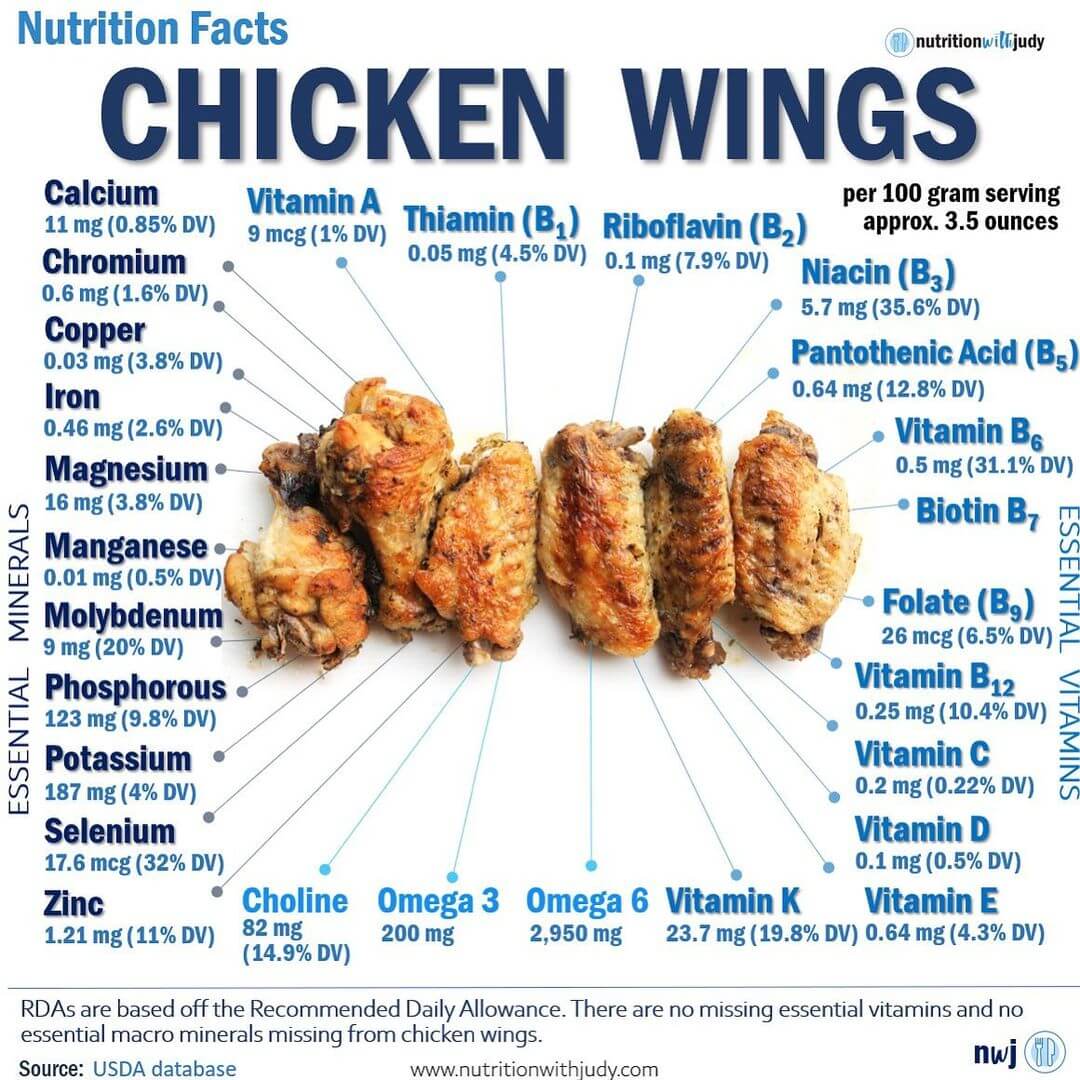
While protein is a significant component, chicken wings also provide other essential nutrients. They are a source of B vitamins, particularly niacin and B6, which are vital for energy metabolism and brain function. Additionally, chicken wings contain minerals like selenium, important for thyroid health and immune function, and phosphorus, crucial for bone health.
| Nutrient | Amount per 3 medium (approx. 63g) skin-on, cooked wing |
|---|---|
| Calories | ~200-250 kcal |
| Protein | ~18-24g |
| Fat | ~12-18g |
| Carbohydrates | ~0g |
Addressing Common Questions
Here are some frequently asked questions about the protein content in chicken wings:
Q1: How much protein is in a boneless chicken wing?
Boneless wings are typically made from chicken breast meat, which is leaner. A 3-ounce serving of boneless wings (about 85 grams) can contain around 25-27 grams of protein, making them a higher-protein option per gram compared to traditional bone-in wings, especially when considering the absence of bone weight.
Q2: Does the sauce add protein to chicken wings?
Most common wing sauces, like Buffalo or BBQ, are primarily made of fats, sugars, and flavorings. They do not significantly add to the protein content. In fact, some sauces can add considerable amounts of sugar and sodium, potentially negating some of the health benefits of the chicken itself.
Q3: Are buffalo wings healthy?
Buffalo wings can be part of a balanced diet in moderation. While they offer a good amount of protein, the traditional preparation often involves frying and rich sauces, which can increase calorie and fat intake. Opting for baked or grilled wings and lighter sauce options can make them a healthier choice.
Optimizing Your Chicken Wing Intake
For those looking to maximize protein intake while managing calories and fat, choosing preparation methods wisely is key. Baking or grilling wings at home allows for greater control over ingredients and cooking techniques. You can opt for leaner cuts, use minimal oil, and create your own healthier sauces. This approach ensures you enjoy the flavor and protein benefits without the downsides of deep-frying and high-calorie commercial sauces.
Factoid: Chicken is considered a complete protein, meaning it contains all nine essential amino acids that the body cannot produce on its own and must be obtained from food.
Considering the protein content, chicken wings can be a valuable addition to a protein-rich diet. By understanding the variables involved, from size and preparation to serving size, you can accurately assess their nutritional contribution. Whether you prefer them baked, grilled, or even lightly fried, the protein in chicken wings supports muscle health and satiety.
In conclusion, a chicken wing offers a substantial amount of protein, making it a popular choice for athletes and health-conscious individuals alike. The exact amount varies, but generally, you can expect a good protein yield from each serving. Remember to consider preparation methods, as baking and grilling often present healthier alternatives to deep-frying. By making informed choices about how your wings are cooked and sauced, you can enjoy this delicious food while meeting your nutritional goals. Incorporating chicken wings strategically into your diet can contribute positively to your overall protein intake and muscle-building efforts.