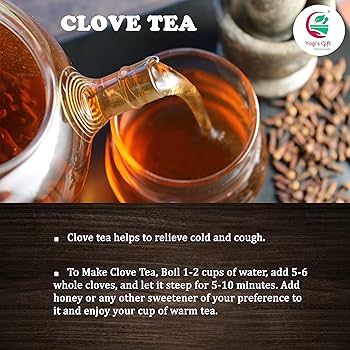
# Brewing the Perfect Cup: A Guide to Making Clove Tea
Clove tea, a fragrant and flavorful beverage, offers a delightful sensory experience alongside a surprising array of potential health benefits. Originating from the dried flower buds of the *Syzygium aromaticum* tree, cloves have been a prized spice for centuries, used in both culinary and medicinal applications across various cultures. The warm, pungent aroma and unique taste of cloves translate beautifully into a comforting tea that can be enjoyed hot or cold, offering a welcome departure from more conventional brews. Whether you’re seeking a soothing drink to unwind or a natural way to support your well-being, understanding how to properly prepare clove tea is key to unlocking its full potential.
This guide will walk you through the simple yet effective process of creating a delicious and beneficial cup of clove tea, exploring the ingredients, steps, and variations to suit your preferences. From selecting the best cloves to steeping techniques that maximize flavor and potential health compounds, we’ll cover all you need to know to become a clove tea connoisseur.
## Understanding Cloves: The Heart of the Tea
Cloves are more than just a spice for gingerbread; they are packed with compounds that contribute to their distinct flavor and medicinal properties. The primary active compound in cloves is eugenol, known for its antioxidant, anti-inflammatory, and antimicrobial effects. When preparing clove tea, the goal is to extract these beneficial compounds into the water, creating a potent and aromatic infusion.
### Selecting Your Cloves
The quality of your clove tea starts with the quality of your cloves. Opt for whole, dried clove buds rather than ground cloves. Whole cloves retain their essential oils and flavor compounds for longer, ensuring a more robust and fresh tea. Look for plump, dark brown buds that may have a slightly lighter colored “head” where the petals are closed. A simple test for freshness is to press a clove bud; if a small amount of oil seeps out, they are fragrant and potent. Avoid cloves that appear dull, brittle, or have lost their strong aroma, as these will yield a weaker tea.
### Essential Ingredients and Equipment
To brew a basic cup of clove tea, you will need:
* Whole cloves
* Water
* A saucepan or kettle
* A teapot or mug
* A fine-mesh strainer or infuser
**Optional additions for enhanced flavor and benefits:**
* Honey or other natural sweeteners
* Lemon slices
* Cinnamon sticks
* Ginger slices
* Other herbal teas (e.g., black tea, green tea)
## The Brewing Process: Step-by-Step
Creating clove tea is a straightforward process that requires minimal effort for a rewarding outcome. The key is to allow the cloves enough time to release their essence into the water without becoming bitter.
### Step 1: Measure Your Cloves
For a single serving of tea, begin with about 5-7 whole cloves. You can adjust this quantity based on your preference for a stronger or milder flavor. For a more intense brew, you can slightly crush the cloves before adding them to the water, which helps to release more of their oils.
### Step 2: Boil the Water
Bring approximately 8-10 ounces (around 240-300 ml) of fresh, cold water to a boil in a saucepan or kettle. Using fresh water ensures the cleanest taste, as re-boiled water can sometimes impart a flat flavor.
### Step 3: Steep the Cloves
Once the water has reached a rolling boil, remove it from the heat. Add the measured whole cloves (and any optional additions like cinnamon or ginger) to the hot water. Cover the saucepan or teapot and let the mixture steep for at least 10-15 minutes. For a more potent tea, you can steep for up to 20 minutes, but be cautious not to over-steep, as this can lead to a bitter taste.
Factoid: Cloves are one of the spices with the highest antioxidant content, with eugenol being the primary contributor. Antioxidants help combat oxidative stress in the body, which is linked to various chronic diseases.
### Step 4: Strain and Serve
After steeping, carefully strain the clove-infused water through a fine-mesh strainer or an infuser into your mug or teapot. Discard the used cloves. If desired, sweeten your tea with honey or another natural sweetener, and add a slice of lemon for a refreshing citrus note. Enjoy your freshly brewed clove tea warm.
## Variations and Enhancements
While a simple clove tea is delicious on its own, there are numerous ways to customize it to your liking and to boost its health-promoting properties.
### Clove and Black Tea
For a more robust and caffeinated option, add a black tea bag or loose-leaf black tea to the steeping water along with the cloves. This creates a warming spiced tea, perfect for a cold morning.
### Clove and Ginger Tea
Combine cloves with fresh ginger slices for a tea renowned for its digestive benefits and anti-inflammatory properties. This combination is particularly soothing for nausea and an upset stomach.
### Clove and Cinnamon Tea
A classic pairing, cloves and cinnamon create a wonderfully aromatic and comforting tea. Both spices are known for their potential to help regulate blood sugar levels and offer antioxidant benefits.
### Iced Clove Tea
Prepare a larger batch of clove tea, allowing it to cool completely. Serve over ice with a squeeze of lemon or lime for a refreshing summer beverage. This can be a great alternative to sugary sodas.
Factoid: The name “clove” comes from the Latin word “clavus,” meaning “nail,” due to the clove’s resemblance to a small nail.
## Health Benefits of Clove Tea
Beyond its delightful flavor, clove tea is often consumed for its potential health benefits, largely attributed to the presence of eugenol and other beneficial compounds.
* **Antioxidant Power:** Cloves are rich in antioxidants, which help protect your body from damage caused by free radicals.
* **Anti-inflammatory Properties:** Eugenol has demonstrated anti-inflammatory effects, which may help reduce inflammation in the body.
* **Antimicrobial Activity:** Cloves possess natural antimicrobial properties that can help fight off certain bacteria and fungi.
* **Digestive Aid:** Traditionally, clove tea has been used to aid digestion, relieve bloating, and reduce gas.
* **Pain Relief:** Eugenol has mild anesthetic properties, and clove tea has been used topically and internally for temporary pain relief, such as toothaches.
## Frequently Asked Questions (FAQ)
**Q1: How many cloves should I use per cup of tea?**
A: For a standard cup (8-10 ounces), start with 5-7 whole cloves. You can adjust this based on your taste preference.
**Q2: Can I use ground cloves instead of whole cloves?**
A: While you can use ground cloves, whole cloves are generally preferred for tea as they yield a clearer flavor and are less likely to make the tea murky. If using ground cloves, use about 1/4 teaspoon per cup and be sure to strain well.
**Q3: How long should I steep clove tea?**
A: Steep for 10-15 minutes. Steeping for too long can result in a bitter tea.
**Q4: Are there any side effects of drinking clove tea?**
A: Clove tea is generally safe for most people when consumed in moderation. However, excessive consumption might lead to digestive upset or interact with certain medications, particularly blood thinners. Pregnant or breastfeeding women should consult their doctor before consuming.
**Q5: Can clove tea be made in advance?**
A: Yes, you can prepare a larger batch of clove tea and store it in the refrigerator for up to 2-3 days. Reheat gently or serve chilled.
**Q6: What are the main active compounds in cloves?**
A: The most significant active compound in cloves is eugenol, which is responsible for much of its flavor and medicinal properties.
## Conclusion
Brewing a cup of clove tea is a simple yet rewarding culinary and wellness practice. By understanding the quality of your ingredients and mastering the basic steeping technique, you can consistently create a flavorful and potentially beneficial beverage. Whether enjoyed on its own or infused with other complementary spices and teas, clove tea offers a warm embrace and a touch of natural goodness. Experiment with the variations suggested to discover your perfect blend, and embrace the comforting ritual of preparing and savoring this ancient spice’s liquid gold.