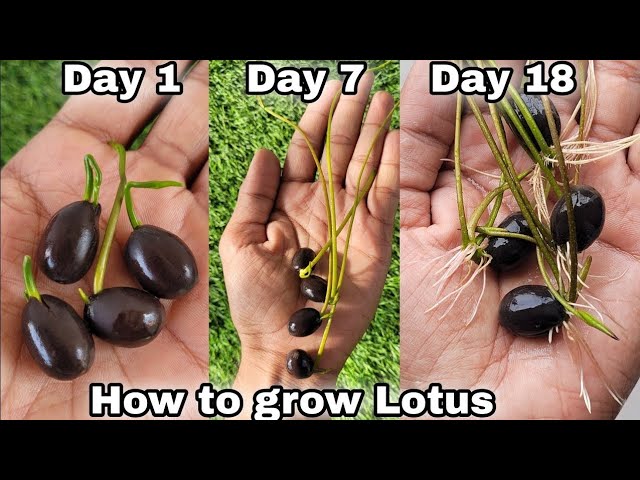
# Cultivating the Majestic Lotus: A Comprehensive Guide to Growing from Seed
The lotus flower, a symbol of purity, enlightenment, and rebirth, has captivated hearts and minds for millennia. Its stunning beauty and profound symbolism have made it a sought-after addition to water gardens worldwide. While cultivating lotus plants from established tubers is common, growing them from seed presents a unique and rewarding challenge. This guide will walk you through the intricate process of germinating lotus seeds, nurturing seedlings, and ultimately, bringing the serene beauty of these aquatic gems to your home. Embarking on this journey requires patience and attention to detail, but the reward of witnessing a lotus unfurl from a tiny seed is unparalleled.
## The Enigmatic Lotus Seed: Unlocking Potential
Lotus seeds, often encased in a hard, protective shell, possess an incredible ability to remain viable for extended periods, sometimes even centuries. This remarkable longevity is a testament to nature’s design, ensuring the survival of this iconic species. However, this very resilience also presents the primary hurdle in germination: breaking through that tough exterior to allow water and oxygen to penetrate, initiating the growth process. Understanding the seed’s structure and the environmental conditions it requires is paramount to successfully coaxing life from these dormant potential.
Here is a table with the essential information for growing lotus from seed:
| Category | Details |
| :——————— | :——————————————————————————————————————————————————————————————————————————————————————————————————————————————————————————————————————————————————————————————————————————————————————- |
| **Seed Preparation** | **Scarification:** The hard seed coat must be abraded or nicked to allow water absorption. This can be done by carefully filing or scraping a small portion of the seed coat, or by gently tapping it with a hammer. Avoid damaging the inner embryo.
**Soaking:** After scarification, soak the seeds in clean, warm water (around 70-80°F or 21-27°C). Change the water daily to prevent bacterial growth and maintain oxygen levels. Germination typically occurs within 1-2 weeks. |
| **Planting Medium** | **Pots:** Use a heavy, non-porous pot (at least 10 inches deep and wide) to prevent algae growth and provide stability. Avoid terracotta as it can leach minerals.
**Substrate:** A mixture of heavy clay soil or loam is ideal. Avoid potting mixes with added fertilizers or perlite, as these can harm the delicate seedling. The soil should be free of pesticides and herbicides. |
| **Watering & Light** | **Water Level:** Once the seed has sprouted and developed its first true leaves, gradually increase the water level. Start with about 1-2 inches of water above the soil and slowly add more as the plant grows, ensuring the leaves reach the surface but do not become fully submerged for extended periods.
**Sunlight:** Lotus require at least 6-8 hours of direct sunlight per day. Place the pot in a location that receives ample sun exposure. Partial shade can inhibit flowering. |
| **Fertilizing** | **Timing:** Begin fertilizing once the plant has developed several mature leaves and is actively growing.
**Method:** Use specialized lotus or aquatic plant fertilizer. Insert fertilizer tabs deep into the soil, away from the roots, to avoid burning them. Follow the package instructions for frequency and dosage, typically every 2-4 weeks during the growing season. |
| **Repotting & Overwintering** | **Repotting:** As the lotus outgrows its pot, repotting may be necessary, usually annually. This is best done in the spring before new growth begins.
**Overwintering:** In colder climates, lotus plants need protection from freezing temperatures. Reduce watering and allow the water level to drop. Move the pot to a deeper section of the pond or a frost-free location, such as a basement or garage, where temperatures remain above freezing. |
| **Reference Website** | [National Water Lily and Water Garden Society](https://www.waterlily.org/) |
## Germination: The First Spark of Life
The journey begins with preparing the lotus seed for germination. The most critical step is scarification, which involves compromising the hard seed coat. This can be achieved by gently filing a small area of the seed coat with a nail file or sandpaper, taking care not to damage the delicate embryo within. Alternatively, one can carefully chip away a tiny portion of the seed coat with pliers or a small hammer, again, prioritizing the integrity of the inner seed. Once scarified, the seeds are ready to be submerged in clean, warm water.
The soaking process is crucial. Place the prepared seeds in a glass jar or bowl filled with non-chlorinated water, ideally maintained at a temperature between 70-80°F (21-27°C). It is imperative to change the water daily. This prevents stagnation, inhibits bacterial growth, and ensures a consistent supply of oxygen, all vital for successful germination. Within a week to two weeks, you should witness the magical emergence of a tiny root and shoot, signaling the successful initiation of growth.
### The Delicate Dance of Seedling Care
Once your lotus seed has sprouted, the real work of nurturing begins. Gently transfer the germinated seed to its first pot, which should be a heavy, non-porous container at least 10 inches deep and wide. Fill this pot with heavy clay soil or loam, avoiding any potting mixes that contain fertilizers or perlite, as these can be detrimental to the young seedling.
The water level in the pot is a critical factor in the early stages. Initially, maintain about 1-2 inches of water above the soil surface. As the seedling develops its first true leaves, gradually increase the water depth. The goal is to allow the leaves to reach the surface of the water, where they can access sunlight, without keeping them fully submerged for prolonged periods, which could hinder their development.
Lotus seeds have an astonishing ability to remain viable for hundreds, if not thousands, of years. This remarkable longevity is attributed to their extremely hard, impermeable seed coat, which protects the embryo from environmental damage and decay.
## Essential Nutrients: Feeding Your Growing Lotus
As your lotus plant matures and establishes itself, providing adequate nutrition becomes essential for its vigorous growth and eventual flowering. Fertilizing should commence once the plant has developed several sets of mature leaves and is actively producing new growth. Specialized lotus or aquatic plant fertilizers are recommended. These are typically available in a slow-release tab form, designed to be inserted deep into the soil, away from the delicate root system, to prevent burning.
### Fertilization Schedule and Techniques
* **Frequency:** During the active growing season, typically from spring through late summer, fertilize your lotus every 2 to 4 weeks.
* **Application:** Carefully push the fertilizer tabs deep into the soil, at least a few inches from the plant’s base. This ensures the nutrients are released gradually and are accessible to the roots over time.
* **Observation:** Monitor your plant’s response to fertilization. Lush green foliage is a good sign, but over-fertilization can lead to excessive leaf growth at the expense of flowers. Adjust the frequency or dosage if you notice any adverse effects.
## Sunlight and Water: The Pillars of Lotus Growth
Lotus plants are sun-worshippers. To thrive and bloom, they require a minimum of 6 to 8 hours of direct sunlight each day. Position your lotus pot in the sunniest location available in your garden or on your patio. Insufficient sunlight will result in weak growth and a distinct lack of flowers.
The water itself plays a dual role: it supports the plant and provides a habitat. As mentioned, maintaining the correct water level is crucial throughout the growing season. The water should be clean and free from chemicals. During the summer months, you may need to top up the water level regularly due to evaporation.
### Key Considerations for Water Management:
* **Water Quality:** Always use non-chlorinated water. If using tap water, let it sit for at least 24 hours to allow chlorine to dissipate.
* **Water Depth:** Adjust water depth according to the plant’s growth stage, ensuring leaves can reach the surface for sunlight.
* **Water Clarity:** While some algae are inevitable, excessive algal blooms can indicate nutrient imbalances or insufficient water circulation.
The Sacred Lotus (Nelumbo nucifera) is not only revered for its beauty but also for its remarkable adaptability. It can survive in diverse aquatic environments, from slow-moving rivers to cultivated ponds, showcasing its resilience.
## Overwintering and Future Blooms
As the growing season winds down and temperatures begin to drop, preparing your lotus for winter is essential, especially in colder climates. Reduce the watering frequency and allow the water level in the pot to recede naturally. For regions experiencing hard freezes, it’s crucial to protect the tuber from frost damage. You can achieve this by moving the pot to a deeper part of your pond, or by bringing it indoors to a cool, frost-free location such as a basement or garage.
Repotting is typically an annual or biannual task, best performed in early spring before new growth emerges. This allows you to refresh the soil, divide the tuber if necessary, and provide ample space for continued healthy growth. By diligently following these steps, you can ensure your lotus