# Growing a Lemon Tree From Seed: A Comprehensive Guide
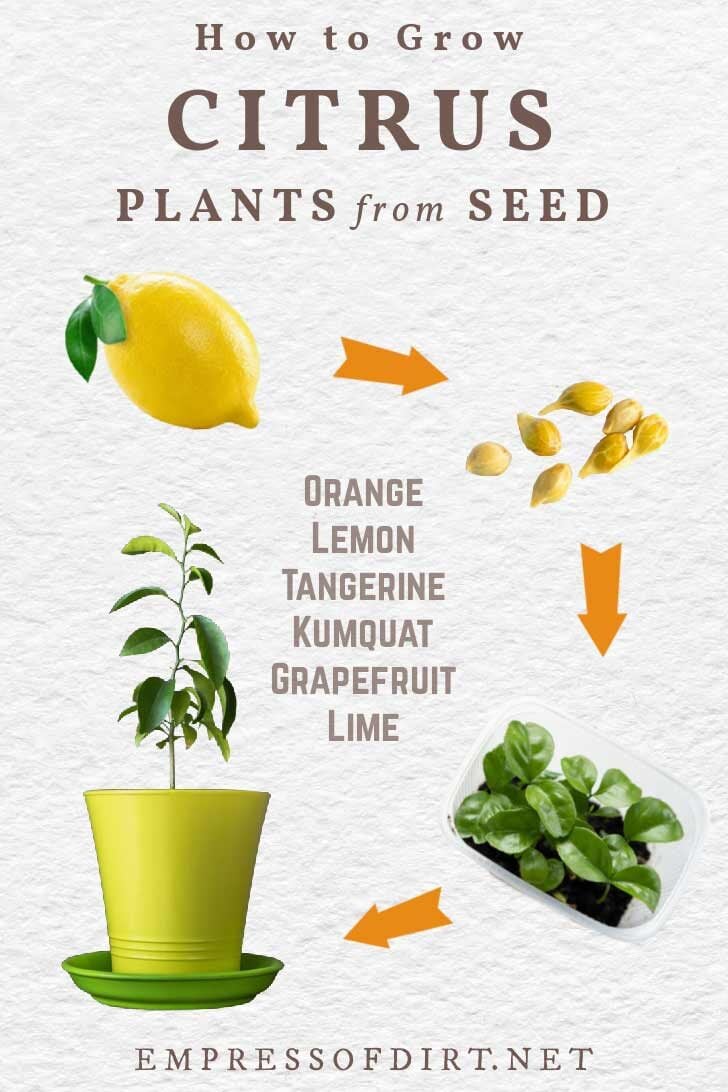
Embarking on the journey of growing a lemon tree from seed is a rewarding endeavor, offering a unique connection to nature and the promise of homegrown citrus. While it requires patience and a bit of know-how, nurturing a lemon tree from its humble beginnings can be an incredibly satisfying experience. This guide will walk you through each step, from selecting the right seeds to ensuring your sapling thrives.
Cultivating a lemon tree from a seed is a process that emphasizes patience and consistent care. Unlike fruit trees grafted for faster maturity and specific fruit quality, seed-grown trees may take several years to produce fruit, and the resulting lemons might differ from the parent fruit. However, the journey itself is filled with learning and the joy of nurturing a plant from its very inception.
## The Seed to Sapling Journey
### Selecting and Preparing Your Seeds
The first step in growing a lemon tree from seed is to obtain viable seeds. The best source is a fresh, ripe lemon.
* **Extraction:** Slice open a lemon and carefully remove the seeds. Discard any that appear underdeveloped or damaged.
* **Cleaning:** Gently rinse the seeds under cool water to remove any pulp or sugars that could encourage mold growth.
* **Stratification (Optional but Recommended):** To mimic natural germination conditions, you can stratify the seeds. Wrap the cleaned seeds in a damp paper towel, place them in a resealable plastic bag, and store them in a cool, dark place for a few weeks. This process can help break dormancy and increase germination rates.
### Germination Techniques
Once your seeds are prepared, it’s time to encourage them to sprout. Several methods can be employed, each with its own advantages.
#### The Paper Towel Method
This is a straightforward and highly effective method for monitoring germination.
1. Place the stratified (or cleaned) seeds on a damp paper towel, ensuring they are not touching.
2. Fold the paper towel over the seeds.
3. Place the folded paper towel inside a resealable plastic bag or a container with a lid.
4. Keep the bag or container in a warm location, around 70-80°F (21-27°C).
5. Check the paper towel regularly to ensure it remains moist but not waterlogged.
6. Germination typically occurs within 2 to 4 weeks. You’ll see a small root emerging from the seed.
#### Direct Sowing
Alternatively, you can sow the seeds directly into a pot.
1. Fill a small pot (about 4-6 inches deep) with a well-draining potting mix, such as a blend of peat moss, perlite, and compost.
2. Plant the seed about half an inch deep, pointed end up if discernible.
3. Water the soil thoroughly.
4. Cover the pot with plastic wrap or a humidity dome to retain moisture.
5. Place the pot in a warm location.
6. Maintain consistent moisture in the soil.
Factoid: Lemon trees grown from seed can take anywhere from 5 to 15 years to produce fruit, and the fruit may not be true to the parent variety. Grafted trees are typically used for commercial fruit production due to their faster fruiting times and predictable fruit characteristics.
## Transplanting and Early Care
### Moving to a Pot
Once your seedling has developed its first set of true leaves and the root system is established (you might see roots emerging from the drainage holes of a germination pot), it’s time to transplant it into a larger pot.
* Use a pot that is at least 8 inches in diameter with ample drainage holes.
* Fill the pot with a high-quality, well-draining potting mix formulated for citrus or a general-purpose mix amended with perlite for better drainage.
* Gently remove the seedling from its germination container, being careful not to disturb the delicate roots.
* Place the seedling in the new pot, ensuring the soil level is the same as before.
* Water thoroughly after transplanting.
### Watering and Sunlight Requirements
Consistent watering and adequate sunlight are crucial for a young lemon tree’s health.
* **Watering:** Water your lemon tree when the top inch of soil feels dry to the touch. Avoid overwatering, as this can lead to root rot. Ensure good drainage in your pot.
* **Sunlight:** Lemon trees are sun-loving plants. They require at least 6-8 hours of direct sunlight per day. If grown indoors, place the tree in the sunniest window available, preferably south-facing. Consider using grow lights during winter months if natural light is insufficient.
### Fertilization
Young lemon trees benefit from regular feeding to support their growth.
* Start fertilizing about a month after transplanting.
* Use a balanced, slow-release fertilizer specifically formulated for citrus trees, or a general-purpose fertilizer with a balanced N-P-K ratio (e.g., 10-10-10).
* Follow the package instructions for application rates, typically applying every 2-3 months during the growing season.
Factoid: Lemon trees are evergreen, meaning they retain their leaves year-round. This allows them to photosynthesize and grow continuously, provided they have suitable conditions.
## Ongoing Care and Potential Issues
### Pruning
Pruning is essential for shaping the tree, promoting fruit production, and maintaining its health.
* **Young Trees:** Focus on removing any weak, crossing, or downward-growing branches to establish a strong central leader and a balanced structure.
* **Mature Trees:** Prune to improve air circulation, remove dead or diseased wood, and encourage fruit production. Timing for pruning can vary, but late winter or early spring before new growth begins is often ideal.
### Pest and Disease Management
Lemon trees can be susceptible to common citrus pests and diseases.
* **Common Pests:** Aphids, spider mites, scale, and mealybugs can infest lemon trees. Regularly inspect your tree for signs of infestation.
* **Control Methods:** Organic options include neem oil, insecticidal soap, or horticultural oil. For severe infestations, consult with a local garden center for appropriate treatments.
* **Diseases:** Fungal diseases like sooty mold or root rot can occur, often due to poor air circulation or overwatering. Ensure proper watering practices and good airflow around the tree.
### Fruiting and Harvesting
As mentioned, trees grown from seed take time to mature and produce fruit. Patience is key. When your tree is mature enough and begins to flower, the real excitement begins.
* **Pollination:** While many lemon varieties are self-pollinating, having a second lemon tree or introducing pollinators like bees can improve fruit set.
* **Harvesting:** Lemons are typically ready to harvest when they reach their full size and color, usually a vibrant yellow. They should feel heavy for their size and slightly yield to gentle pressure. Harvest by gently twisting or cutting the stem with pruning shears.
## Frequently Asked Questions (FAQ)
**Q1: How long does it take for a lemon tree grown from seed to produce fruit?**
A1: It can take anywhere from 5 to 15 years for a seed-grown lemon tree to mature enough to bear fruit.
**Q2: Will the lemons from a seed-grown tree taste the same as the store-bought ones?**
A2: Not necessarily. Citrus trees grown from seed can exhibit genetic variations, meaning the fruit may differ in taste, size, and seed content compared to the parent tree.
**Q3: Can I grow a lemon tree indoors?**
A3: Yes, lemon trees can be grown indoors, but they require at least 6-8 hours of bright, direct sunlight daily. Consider using grow lights in less sunny environments.
**Q4: What is the best soil for a lemon tree?**
A4: Lemon trees thrive in well-draining soil. A mix of peat moss, perlite, and compost, or a specialized citrus potting mix, works well.
**Q5: How often should I water my lemon tree?**
A5: Water your lemon tree when the top inch of soil feels dry. Ensure the pot has good drainage to prevent waterlogged roots.
## Table of Information
Here is a table with the biographical and professional information relevant to growing a lemon tree from seed.
| Category | Information |
| :——————— | :——————————————————————————————————————————————— |
| **Plant Type** | Citrus Limon (Lemon Tree) |
| **Origin of Seeds** | From a ripe lemon fruit. |
| **Germination Time** | 2-4 weeks (using paper towel method); variable when direct sown. |
| **Fruiting Time** | 5-15 years from seed. |
| **Sunlight Needs** | Minimum 6-8 hours of direct sunlight per day. |
| **Soil Requirements** | Well-draining potting mix (e.g., peat moss, perlite, compost). |
| **Watering Needs** | Water when top inch of soil is dry; avoid overwatering. |
| **Fertilization** | Use citrus-specific or balanced fertilizer every 2-3 months during the growing season. |
| **Pruning** | To shape, remove dead/diseased