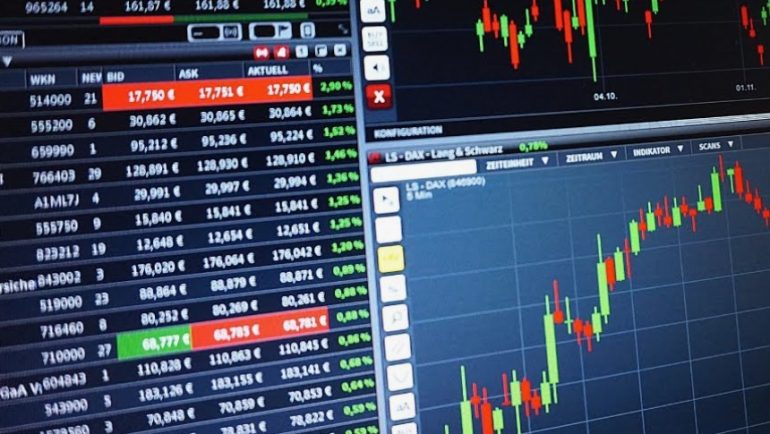
Day trading tactics on TradingView
Fast forex markets reward traders who combine a clear plan with disciplined execution, not random clicks. The charting platform TradingView gives access to real-time quotes, flexible layouts and a wide set of tools that help structure this process. In the middle of any session, you can open https://chart-tradingview.ai/, watch how price behaves and react without delay. The goal is not to predict every tick, but to create a repeatable approach that can survive both trends and choppy phases.
Core setup
A solid day trading plan starts with a clean technical framework that is easy to read under pressure. Many traders combine a higher timeframe chart to define the broader move with a lower timeframe chart for precise entries, using moving averages, support and resistance or volatility bands. The platform makes it simple to save templates, switch between layouts and keep the same indicators across pairs, so you are not wasting energy on manual adjustments. This structure keeps your focus on price behavior instead of constant chart tweaking.
- Use one or two primary currency pairs that you understand well.
- Combine a trend tool, a momentum tool and a simple price level map.
- Decide in advance which time windows during the day you will trade.
- Avoid adding indicators that duplicate the same type of signal.
Intraday entries
Once the broader direction is clear, the intraday task is to wait for spots where reward outweighs risk. Traders often look for pullbacks to moving averages, bounces from clearly marked zones or breakouts from short consolidations with expanding volume. Order tickets on TradingView allow quick placement of stop loss and take profit directly from the chart, which reduces hesitation. The key is to treat each setup as one of many over a long series instead of a single life-or-death opportunity.
When planning entries, think in terms of scenarios instead of single lines in the sand. If price breaks a level on low volume and instantly snaps back, that context differs from a clean move with strong participation. Notes on the chart, screenshots and saved layouts help you remember which conditions preceded your better trades. Over time, this visual journal becomes a personal playbook tuned to your own risk tolerance and schedule.
Risk and trade management
No strategy can compensate for poor risk habits, especially on short horizons. Before pressing the button, define the percentage of capital at risk, the point where the idea is invalid and the realistic target based on recent volatility. TradingView makes it possible to measure distance in pips on the chart and convert it into position size, so you can keep losses relatively constant across trades. This mechanical routine protects you from the temptation to double size after a losing streak or chase every spike.
- Keep position risk small enough to survive a sequence of losing trades.
- Use alerts on key levels instead of staring at charts for hours.
- Move stops only according to predefined rules, not emotions.
- Review closed positions regularly and tag typical mistakes.
Using the community
Beyond the tools, the social layer inside TradingView can sharpen your own thinking if used carefully. Public ideas, scripts and layouts expose you to alternative ways of reading the same chart, which is useful for challenging tunnel vision. Rather than copying every setup, treat these posts as research material that you compare against your rules. Over time, you will see which concepts fit your temperament and which ones cause stress or overtrading.
The platform also lets you test code-based strategies with historical data, which turns vague hunches into measurable results. Even simple filters like time-of-day rules or volatility thresholds can transform an average concept into something more robust. By combining structured backtesting with disciplined execution and realistic expectations, day traders give themselves a better chance to stay in the game long enough to develop true skill with TradingView.