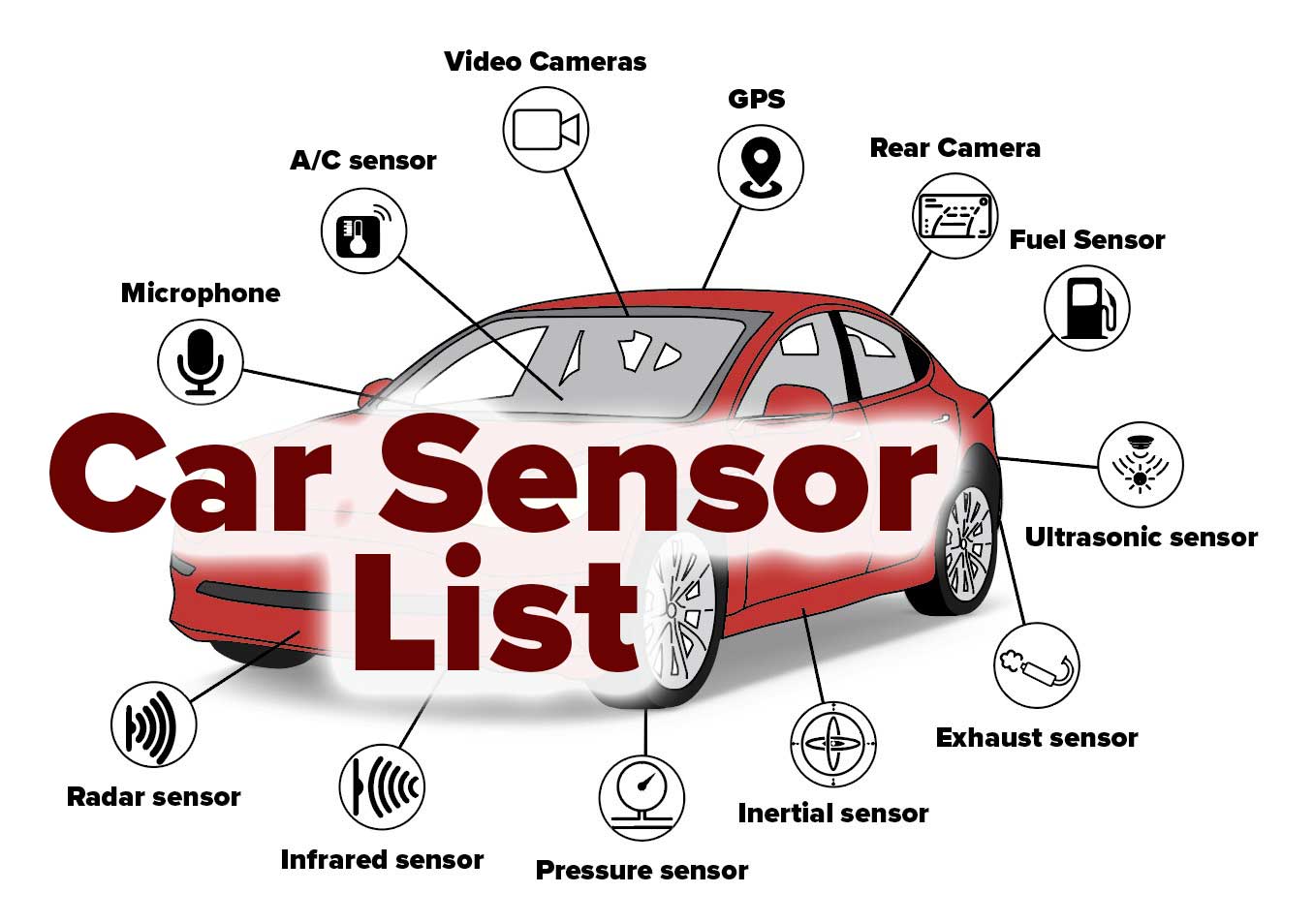
In the sleek, sophisticated machines we call modern automobiles, a silent revolution is constantly unfolding beneath the hood and within the chassis․ Far beyond the gleaming paint and plush interiors, a complex network of tiny, yet incredibly powerful, components works tirelessly to ensure our safety, optimize performance, and even reduce our environmental footprint․ These unsung heroes are the car sensors, the digital eyes and ears of your vehicle, constantly monitoring, measuring, and reporting critical data․ Understanding the true cost of these indispensable devices, and appreciating their profound impact, is no longer merely a mechanic’s concern but a vital piece of knowledge for every contemporary driver․
Modern vehicles, marvels of engineering, are essentially computers on wheels, and their intricate functionality is fundamentally predicated on the seamless operation of hundreds of individual sensors․ From precisely regulating fuel injection to meticulously detecting a potential skid, these tiny guardians are the nervous system of your car, translating physical conditions into actionable electronic signals․ Their collective efforts empower everything from advanced driver-assistance systems (ADAS) to optimal fuel efficiency, profoundly shaping the driving experience and, more importantly, safeguarding lives․ But what exactly goes into the price tag of these essential components, and why is their value often underestimated?
| Sensor Type | Primary Function | Average Part Cost (USD) | Key Factors Affecting Cost |
|---|---|---|---|
| Oxygen Sensor (O2 Sensor) | Monitors exhaust gas oxygen levels to optimize fuel combustion and reduce emissions․ | $50 ⎼ $200 | Vehicle make/model, OEM vs․ aftermarket, number of sensors (pre/post-catalytic converter)․ |
| Anti-lock Braking System (ABS) Sensor | Measures wheel speed to prevent wheel lock-up during braking, enhancing control․ | $30 ⎼ $150 | Integration with wheel hub assembly, vehicle make/model, accessibility․ |
| Crankshaft Position Sensor | Detects the position and rotational speed of the crankshaft, crucial for engine timing and fuel injection․ | $40 ⏤ $180 | Engine type, sensor location, OEM vs․ aftermarket quality․ |
| Tire Pressure Monitoring System (TPMS) Sensor | Monitors tire pressure, alerting the driver to under-inflated tires for safety and fuel efficiency․ | $30 ⏤ $80 per wheel | Direct vs․ indirect system, programming required, battery life (integrated)․ |
| Mass Air Flow (MAF) Sensor | Measures the amount of air entering the engine, essential for correct fuel delivery․ | $80 ⎼ $300 | Vehicle make/model, housing design, calibration needs․ |
| Parking Assist/Proximity Sensor | Uses ultrasonic waves to detect obstacles around the vehicle, aiding in parking maneuvers․ | $20 ⏤ $100 per sensor | Number of sensors, aesthetic integration (painted), advanced features (e․g․, self-parking systems)․ |
| ADAS Cameras/Radar Units | Enable features like adaptive cruise control, lane keeping assist, and automatic emergency braking․ | $200 ⏤ $1000+ (for radar/camera modules) | System complexity, vehicle brand (luxury vs․ economy), calibration labor․ |
For general automotive parts and pricing references, you can consult reputable online retailers like RockAuto․com or AutoZone․com․ Always verify compatibility with your specific vehicle․
The Intricacies of Cost: What Drives Sensor Pricing?
The seemingly simple question of “how much does a car sensor cost?” quickly unravels into a tapestry of variables, each intricately woven into the final price․ Fundamentally, the cost is bifurcated into the part itself and the labor required for diagnosis and installation․ The part’s price is influenced significantly by its type and complexity; a basic temperature sensor, for instance, will naturally differ in price from a sophisticated radar unit integral to an advanced driver-assistance system (ADAS)․ Furthermore, the choice between an Original Equipment Manufacturer (OEM) part, sourced directly from the car’s manufacturer, and a high-quality aftermarket alternative can dramatically swing the cost․ While OEM parts often guarantee perfect fitment and performance, aftermarket options, meticulously engineered to meet or exceed original specifications, frequently offer a more budget-friendly solution without compromising reliability․
Beyond the fundamental part cost, labor charges represent another substantial component․ Diagnostic procedures, often involving specialized tools and expert technicians, are essential for accurately pinpointing a faulty sensor amidst the vehicle’s vast electronic ecosystem․ Once identified, installation can range from a straightforward plug-and-play operation to a complex procedure requiring extensive disassembly or intricate recalibration․ For instance, replacing an oxygen sensor might be relatively simple, but swapping out an ADAS camera or radar unit typically demands precise alignment and software calibration, a process that necessitates specialized equipment and considerable expertise, invariably impacting the total expense․ These critical nuances collectively define the overall investment required to keep your car’s digital senses sharp and responsive․
Investing in Intelligence: The Unseen Returns
While the immediate outlay for a replacement sensor might seem a significant expense, viewing it through the lens of long-term value reveals a remarkably compelling return on investment․ Faulty sensors, left unaddressed, can precipitate a cascade of detrimental effects, ranging from diminished fuel economy and compromised engine performance to, most critically, a severe reduction in safety․ An ailing ABS sensor, for example, directly jeopardizes your ability to maintain control during emergency braking․ Similarly, a malfunctioning oxygen sensor can lead to increased emissions and potentially costly catalytic converter damage down the line․ By proactively addressing sensor issues, drivers are not merely fixing a problem; they are safeguarding their vehicle’s longevity, preserving its resale value, and, most importantly, protecting themselves and their passengers on every journey․ This strategic maintenance transforms a perceived cost into an invaluable assurance of reliability and safety․
Leading automotive experts consistently emphasize the critical role of sensor integrity in modern vehicle operation․ “Sensors are the frontline defenders of vehicle safety and efficiency,” states Dr․ Evelyn Reed, a renowned automotive engineering professor at the University of Michigan․ “Ignoring a ‘check engine’ light, often triggered by a sensor fault, is akin to ignoring a vital warning from your own body․ The consequences, both financial and safety-related, can be severe․” Industry giants like Bosch and Denso, pivotal innovators in sensor technology, continuously pour resources into developing ever more robust and precise sensors, understanding that the future of autonomous driving and connected vehicles hinges entirely on the flawless performance of these miniature marvels․ Their dedication underscores the profound importance and indispensable nature of these components within the automotive landscape․
The Future is Sensing: A Glimpse Ahead
The trajectory of automotive technology points unequivocally towards an even greater reliance on sophisticated sensing capabilities․ The advent of electric vehicles (EVs) introduces new arrays of sensors, meticulously monitoring battery health, power delivery, and charging efficiency․ Moreover, the accelerating march towards fully autonomous driving necessitates an unprecedented density and redundancy of sensors – lidar, radar, ultrasonic, and high-resolution cameras – all working in concert to create a comprehensive, real-time understanding of the vehicle’s surroundings․ This evolution promises not only enhanced safety and convenience but also opens doors to entirely new paradigms of transportation, from intelligent traffic management to personalized mobility solutions․ As these technologies mature, the cost of individual sensors may fluctuate, potentially decreasing for common types due to economies of scale, while specialized ADAS components might remain at a premium due to their complexity and critical function․
Ultimately, understanding the cost of car sensors transcends a simple monetary figure; it encapsulates an appreciation for the intricate engineering, the relentless pursuit of safety, and the exciting future of automotive innovation․ These diminutive devices are far more than mere parts; they are the silent, vigilant guardians propelling us safely and efficiently into tomorrow․ By embracing their value and ensuring their optimal function, we are not just maintaining a vehicle; we are investing in a smarter, safer, and more sustainable driving future․ The next time you embark on a journey, remember the unseen intelligence silently working to make it possible, confirming that the value of these sensors truly extends far beyond their purchase price․