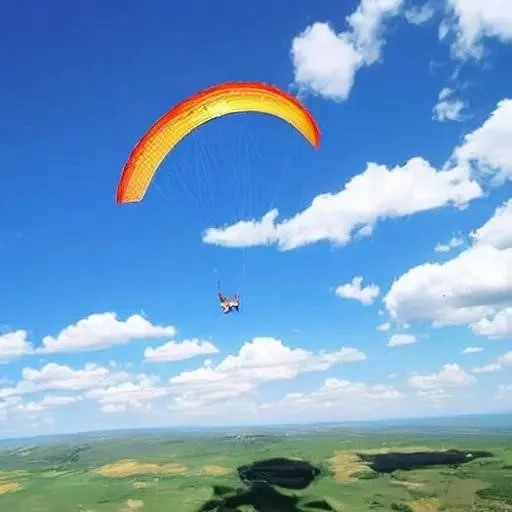
The allure of flight, a primal human dream, finds its most accessible and breathtaking expression in paragliding. Imagine drifting silently above sprawling landscapes, the world unfolding beneath you like a vibrant tapestry, the wind a gentle whisper against your face. It’s an experience that transcends the ordinary, offering unparalleled freedom and a perspective on life that few ever witness. But as with any pursuit of passion, a fundamental question often arises for aspiring aviators: “What is the true paragliding cost?” Is this dream reserved for the wealthy, or can anyone with a yearning for the sky embrace this incredibly liberating sport?
Far from being an exclusive luxury, paragliding has become remarkably accessible to enthusiasts across various budgets. While initial investments are certainly required, understanding the breakdown of these expenses reveals a path to the skies that is often more attainable than many anticipate. From introductory tandem flights to comprehensive training and essential gear, each stage of your aerial journey comes with its own financial considerations. By integrating insights from seasoned pilots and industry experts, we can demystify the economic landscape of paragliding, charting a clear course for anyone ready to trade terra firma for thermals.
Here’s a breakdown of the typical costs associated with embarking on your paragliding adventure:
| Cost Category | Description | Average Cost Range (USD) | Notes/Considerations |
|---|---|---|---|
| Introductory Tandem Flight | A guided flight with an experienced instructor, no prior training needed. | $150 ⎻ $350 | Excellent way to experience paragliding without commitment. Often includes photos/video. |
| Beginner Training Course (P1/P2 Equivalent) | Comprehensive instruction for solo flight, covering theory, ground handling, and initial flights. | $1,500 ⎯ $3,000 | Typically includes equipment use during the course. Varies by school and location. |
| Full Paragliding Equipment Set | Wing, harness, reserve parachute, helmet, vario (altimeter/climb rate). | $4,000 ⎯ $8,000+ | New equipment. Used gear can significantly reduce this cost but requires careful inspection. |
| Ongoing Costs | Site fees, club memberships, re-pack services for reserve chute, annual wing inspection, travel. | $200 ⎻ $800 per year | Varies greatly depending on frequency of flying and local regulations. |
| Insurance | Liability and/or accident insurance specific to paragliding. | $100 ⎻ $300 per year | Highly recommended; some flying sites may require it. |
For more detailed information on paragliding safety and regulations, please visit the United States Hang Gliding & Paragliding Association (USHPA).
The First Step: The Tandem Experience
For many, the journey into paragliding begins with a tandem flight. Strapped securely in front of a certified instructor, you’ll experience the serene beauty of free flight without any prior training or commitment. These flights are an incredibly effective way to gauge your enthusiasm for the sport, offering a taste of the airborne sensation at a relatively modest price point, typically ranging from $150 to $350. “It’s the perfect gateway,” explains Sarah Chen, a veteran instructor with over two decades of flying experience. “You get to feel the air, see the world from a bird’s eye view, and decide if that magic truly calls to you, all guided by a seasoned professional.” Many packages even include stunning photo and video documentation, preserving those initial moments of pure exhilaration.
Mastering the Skies: Training Course Investments
Should the tandem flight ignite a genuine passion, the next logical step is a comprehensive training course. This is where the bulk of your initial investment will typically lie, yet it’s an absolutely crucial expenditure for safety and proficiency. A full beginner’s course, leading to a P2 (Novice Pilot) rating in the U.S; or equivalent internationally, can cost anywhere from $1,500 to $3,000. These programs are meticulously designed, covering essential theory, ground handling techniques (learning to control the wing on the ground), and progressively challenging high-altitude flights under the watchful eye of experienced instructors. Having completed your training, you’ll possess the foundational skills and knowledge to safely launch, fly, and land independently, opening up a world of aerial exploration. Importantly, most schools provide all necessary equipment during the training period, deferring the need for immediate personal gear purchase.
Equipping Your Adventure: Gear Up for Glory
Once certified, the most significant financial decision will be acquiring your own paragliding equipment. A complete, new setup – comprising a wing, harness, reserve parachute, helmet, and variometer (which measures altitude and climb/descent rate) – generally ranges from $4,000 to $8,000, sometimes more for premium performance gear. This might seem like a substantial sum, but it’s a long-term investment in your safety and enjoyment. Modern paragliding gear is engineered for durability and performance, with wings often lasting for hundreds of flying hours if properly maintained. Savvy beginners often opt for reputable used equipment, which can significantly reduce this upfront cost. “Always buy from a trusted source and, ideally, have an experienced pilot or instructor inspect used gear before purchase,” advises Mark Johnson, a paragliding gear specialist, emphasizing the paramount importance of safety.
Beyond the Initial Horizon: Ongoing and Hidden Costs
The financial journey doesn’t end with certification and equipment. Like any engaging hobby, paragliding involves ongoing expenses, albeit often more manageable ones. These can include annual club memberships (often $50-$150), which provide access to launch sites, community events, and invaluable local knowledge. Reserve parachute re-packs, recommended annually, typically cost $50-$100. Additionally, consider the costs of travel to flying sites, which can vary widely depending on your location and adventurous spirit. Annual wing inspections are also a good practice, ensuring your main piece of equipment remains airworthy. Finally, specialized paragliding insurance, covering liability and potentially accident benefits, is a wise investment, usually costing between $100 and $300 per year. These seemingly minor expenditures collectively contribute to a safe, sustainable, and thoroughly enjoyable paragliding lifestyle.
The Unquantifiable Return: Why It’s Worth Every Penny
While the monetary costs are tangible, the returns on a paragliding investment are often immeasurable. The sheer joy of flight, the breathtaking views, the profound sense of accomplishment, and the vibrant, supportive community you become a part of are priceless. Many pilots describe paragliding as a form of meditation, a powerful antidote to the stresses of modern life. It fosters a deep connection with nature, enhances problem-solving skills, and cultivates an unwavering sense of confidence. “The perspective you gain, not just of the landscape but of yourself, is truly transformative,” reflects Dr. Elena Rodriguez, a psychologist and avid paraglider. “It’s an investment in personal growth and unparalleled freedom.”
Charting Your Course Affordably
For those mindful of their budget, several strategies can make paragliding more accessible; Opting for a reputable used equipment setup is perhaps the most significant cost-saver after training. Many schools offer financing options for courses, spreading the cost over time. Furthermore, focusing on local flying sites can drastically reduce travel expenses. By carefully planning and making informed choices, the dream of soaring through the skies can become a reality for a surprisingly diverse range of individuals, proving that the ultimate paragliding cost is not just about dollars, but about the invaluable experiences and memories forged high above the world.