For many, the allure of the wilderness lies in its breathtaking vistas – towering mountains, expansive forests, and shimmering lakes. We often associate hiking with visual splendor, imagining panoramic views as the ultimate reward. Yet, this conventional perception overlooks a vibrant and growing community of adventurers who, despite living without sight, are not merely participating in but profoundly transforming the very essence of outdoor exploration. They are blind hikers, and their journeys are a testament to human ingenuity, resilience, and an unwavering spirit of adventure.
Far from being a solitary or perilous endeavor, the world of accessible hiking for blind individuals is a meticulously cultivated landscape of innovation, teamwork, and sensory enrichment. It’s a realm where cutting-edge technology converges with ancient wisdom, where dedicated guides and loyal canine companions form unbreakable bonds with their human partners, all culminating in an incredibly rich and immersive experience. This isn’t just about overcoming a perceived limitation; it’s about unlocking entirely new dimensions of connection with nature, proving that the most profound journeys are often felt, heard, and smelled, rather than solely seen.
| Category | Description | Impact/Example |
|---|---|---|
| Sighted Guides & Human Support | Volunteers or trained companions providing verbal cues, physical assistance, and descriptive narration of the surroundings. | Enables safe navigation, obstacle avoidance, and a shared, enriching experience, fostering strong interpersonal connections. |
| Guide Dogs | Specially trained service animals that lead their handlers, avoiding obstacles and indicating changes in terrain. | Offers a unique blend of independence and companionship, proving remarkably effective on varied terrains. |
| Assistive Technology | GPS devices with haptic feedback, audio-guided navigation apps, and smart canes that detect obstacles. | Empowers greater autonomy and confidence, providing real-time data about routes and surroundings. |
| Specialized Trails & Equipment | Trails designed with tactile markers, wider paths, and accessible facilities, alongside adaptive hiking gear. | Reduces physical barriers, making more natural spaces approachable and enjoyable for diverse abilities. |
| Community & Organizations | Non-profits and adaptive sports groups organizing guided trips, offering training, and advocating for accessibility. | Provides vital support networks, fosters camaraderie, and drives collective progress in outdoor inclusion. |
| Reference Link | Adaptive Adventures ― Empowering Individuals Through Outdoor Sports | |
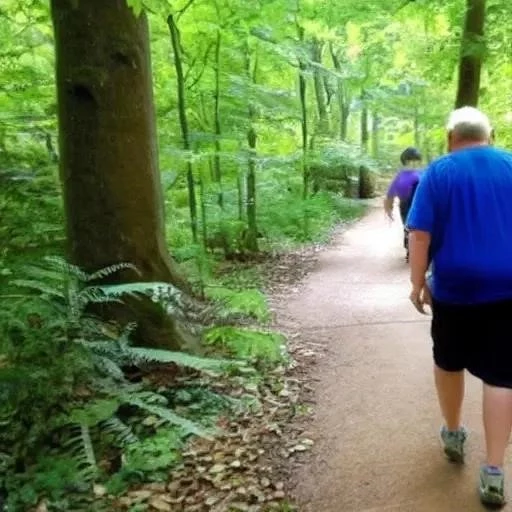
The human element remains paramount in these expeditions. Sighted guides, often volunteers, become the eyes of their hiking partners, transforming the journey into a rich tapestry of shared experience. They offer precise verbal cues – “step up,” “root on your left,” “a gentle decline ahead” – and vivid descriptions of the environment, painting mental pictures of the towering pines, the babbling brook, or the distant scent of wild mint. This dynamic partnership goes beyond mere navigation; it cultivates deep trust and a unique form of communication, making each trek a profoundly social and connective endeavor. Similarly, the unwavering loyalty and expert training of guide dogs provide an unparalleled sense of security and independence, their discerning paws gracefully navigating challenging terrains.
Beyond human and canine companionship, technology is increasingly playing a pivotal role, seamlessly integrated into the hiking experience. GPS devices, no longer solely reliant on visual maps, now offer sophisticated audio navigation and haptic feedback, guiding hikers with subtle vibrations or spoken directions. Innovatively designed smartphone applications leverage AI to describe surroundings or identify specific flora and fauna based on camera input, transforming the phone into a powerful sensory augmentation tool. These advancements are not replacing the human guide but rather augmenting capabilities, fostering greater autonomy and opening up even more adventurous routes for blind individuals who are eager to push their boundaries.
Crucially, the success of blind people hiking is also a testament to the power of community and specialized organizations. Groups like Adaptive Adventures and the National Federation of the Blind’s sports divisions meticulously plan and execute accessible trips, ranging from leisurely nature walks to multi-day wilderness treks. These organizations not only provide the necessary logistical support, including trained guides and adaptive equipment, but also foster a vibrant network of shared enthusiasm and mutual encouragement. By integrating insights from participants and accessibility experts, they are continuously refining best practices, advocating for more inclusive trail design, and inspiring countless others to embrace the great outdoors, regardless of their visual abilities.
The benefits derived from these experiences are immeasurable. Physically, hiking offers excellent cardiovascular exercise, improved balance, and enhanced spatial awareness. Mentally, it cultivates resilience, problem-solving skills, and a profound sense of accomplishment. Socially, it builds strong bonds, reduces isolation, and challenges societal stereotypes about disability. Looking ahead, the future of accessible outdoor adventure is incredibly bright, driven by ongoing technological innovation, growing awareness, and an ever-expanding community of passionate advocates. Expect to see further advancements in haptic technology, AI-powered descriptive tools, and a broader array of adaptive sports programs, making the wilderness more inviting and navigable than ever before.
Ultimately, the journeys undertaken by blind hikers are more than just physical excursions; they are powerful narratives of empowerment, innovation, and breaking down barriers. They remind us that adventure is not solely defined by what we see, but by how deeply we engage with the world through all our senses, by the connections we forge, and by the courage to step onto an unseen path. As we look towards a more inclusive future, the trails blazed by these remarkable individuals serve as an inspiring beacon, urging us all to redefine our perceptions of ability and embrace the boundless possibilities of human spirit.