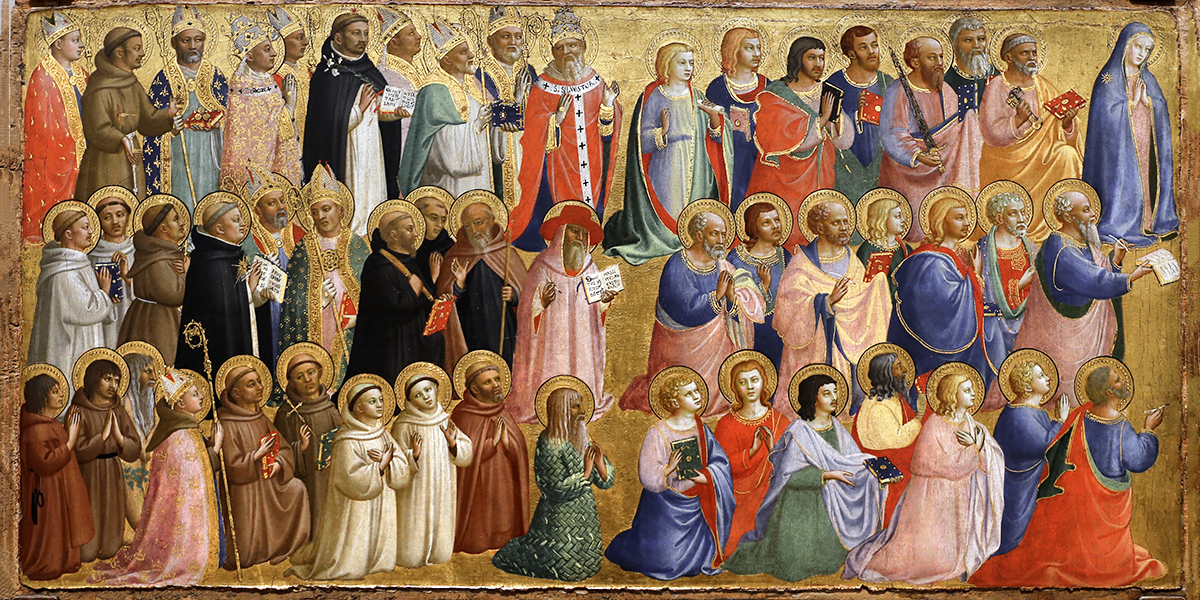
How Many Saints Are There in the Catholic Church? A Comprehensive Look
The question of “how many saints are there in the Catholic Church?” is one that sparks curiosity and sometimes confusion. While it’s impossible to give an exact, definitive number due to the ongoing process of canonization and historical records, the Catholic Church officially recognizes a substantial number of individuals as saints. This recognition is a testament to lives lived in extraordinary faith and service, offering inspiration and intercessory power to believers. Understanding the process and the sheer volume of those declared saints provides insight into the Church’s rich history and its veneration of its holiest members.
Understanding Sainthood in the Catholic Church
Sainthood in the Catholic Church is not merely an honorific title but a declaration that an individual lived a life of heroic virtue and is now in heaven. The process of becoming a saint, known as canonization, is rigorous and involves extensive investigation into the person’s life, writings, and any miracles attributed to their intercession. Initially, saints were recognized by popular acclaim within local churches. However, over centuries, the process became more formalized, centralized under the authority of the Pope and the Congregation for the Causes of Saints.
The Early Church and Popular Veneration
In the early centuries of Christianity, the Church recognized saints through a more organic process. Martyrs, those who died for their faith, were often the first to be venerated as saints. Local communities would gather to commemorate their deaths, and these commemorations grew into established feasts. This popular veneration, while not as formally structured as today’s canonization process, was the bedrock upon which the Church’s understanding of sainthood was built.
Navigating the Numbers: Official vs. Unofficial Counts
When seeking to answer “how many saints are there Catholic,” it’s crucial to distinguish between officially canonized saints and those who are recognized by tradition or in the early Church without formal canonization. The official count, managed by the Vatican, is constantly evolving. As of recent estimates, there are over 12,000 individuals who have been canonized throughout history.
The Catholic Church’s canonization process ensures that those declared saints have demonstrably lived lives of profound holiness worthy of emulation.
The Martryology: A Historical Record
A key resource for understanding the history of sainthood is the *Martyrologium Romanum*, the official list of saints and martyrs recognized by the Roman Catholic Church. While it historically included thousands, the Martyrologium has undergone revisions to reflect a more stringent historical and theological vetting process. Early versions contained numerous figures whose historical existence or sanctity proved difficult to verify with modern standards.
Key Figures and Categories of Saints
The vast number of saints includes individuals from all walks of life and historical periods. They are often categorized to help understand their contributions:
* **Apostles:** The original twelve disciples of Jesus, including Saint Peter and Saint Paul.
* **Martyrs:** Those who died for their faith, such as Saint Stephen, the first Christian martyr.
* **Confessors:** Individuals who suffered persecution for the faith but did not die, and lived exemplary Christian lives.
* **Virgins:** Women who dedicated their lives to God through chastity.
* **Popes and Bishops:** Many popes and bishops are recognized for their leadership and holiness.
* **Founders of Religious Orders:** Saints like Saint Benedict, Saint Dominic, and Saint Francis of Assisi, who established influential religious communities.
The table below provides a glimpse into some of the most commonly recognized saints:
| Saint Name | Feast Day | Primary Title/Role |
| :————— | :———– | :———————– |
| Saint Peter | June 29 | Apostle, First Pope |
| Saint Paul | June 29 | Apostle, Missionary |
| Saint Mary | Varies | Mother of Jesus |
| Saint Joseph | March 19 | Foster Father of Jesus |
| Saint Francis of Assisi | October 4 | Founder of Franciscans |
| Saint Joan of Arc| May 30 | Patron Saint of France |
The Role of Miracles in Canonization
A crucial element in the modern canonization process is the verification of miracles. Typically, at least two miracles are required for canonization (one for beatification and one for canonization), though martyrs may not need to have miracles attributed to them. These miracles are rigorously examined by medical experts and theologians to rule out natural explanations.
The Impact of Canonization on the Church
The canonization of saints has a profound impact on Catholic life. Saints serve as role models, intercessors, and patrons for various causes, countries, and professions. Their lives provide tangible examples of how to live a Christian life, and their intercession is believed to offer spiritual assistance to those who pray to them.
The ongoing canonization process ensures that the Church continues to identify and honor individuals whose lives exemplify the highest ideals of Christian discipleship.
Canonization Throughout the Centuries
The pace and process of canonization have varied greatly. The medieval period saw a large number of canonizations, often influenced by popular devotion and the actions of local bishops. The modern era, especially since the reforms of Pope Urban VIII in the 17th century, has brought greater standardization and papal control over the process, leading to a more carefully curated list of recognized saints.
Frequently Asked Questions about Catholic Saints
Here are some common questions regarding Catholic saints:
**Q1: Is every Catholic a saint?**
A1: No, not every Catholic is a saint. Sainthood is a specific declaration by the Church that an individual lived a life of exceptional holiness and is in heaven. While all baptized Catholics are called to holiness, only a select few are formally recognized as saints.
**Q2: Can anyone become a saint?**
A2: In theory, yes. The Catholic Church believes that any baptized person, through a life of faith, virtue, and potentially martyrdom, can be recognized as a saint. The process, however, is exceptionally rigorous.
**Q3: How does the Catholic Church decide who is a saint?**
A3: The process involves a thorough investigation into the candidate’s life, writings, and virtues. It requires evidence of heroic virtue and, for most, at least two verified miracles attributed to their intercession after their death. The Pope makes the final decision.
Conclusion
While an exact number remains elusive, the Catholic Church officially recognizes thousands of saints, with estimates often exceeding 12,000 individuals. These men and women, from the earliest martyrs to modern-day figures, represent the pinnacle of Christian life and devotion. Their stories, struggles, and triumphs continue to inspire and guide the faithful across the globe. The Church’s veneration of saints underscores a belief in the communion of saints, where those in heaven can intercede for those on earth. Each canonized individual serves as a beacon of faith, demonstrating that a life lived for God can achieve extraordinary spiritual heights. Their legacy is woven into the fabric of Catholic tradition, offering a continuous source of hope and encouragement.