Identifying Poison Ivy: A Comprehensive Guide to Avoid Itching and Rashes
Poison ivy is a common plant found throughout much of North America, notorious for its ability to cause severe skin irritation and rashes. Properly identifying this plant is crucial for preventing uncomfortable and painful contact. Many people struggle to distinguish it from other harmless plants, leading to accidental exposure. This article will serve as your definitive guide to recognizing poison ivy, empowering you to navigate outdoor environments with confidence and avoid its irritating urushiol oil.
Understanding Poison Ivy’s Growth Habits
Poison ivy, scientifically known as *Toxicodendron radicans*, exhibits a variety of growth forms, making identification sometimes challenging. It can grow as a low-growing shrub, a trailing vine along the ground, or even as a climbing vine that ascends trees and structures. Understanding these different forms is the first step in learning how to tell poison ivy from look-alike plants. Its adaptability allows it to thrive in diverse habitats, from woodlands and fields to roadsides and even urban backyards.
Key Identifiers: Leaves of Three, Let It Be
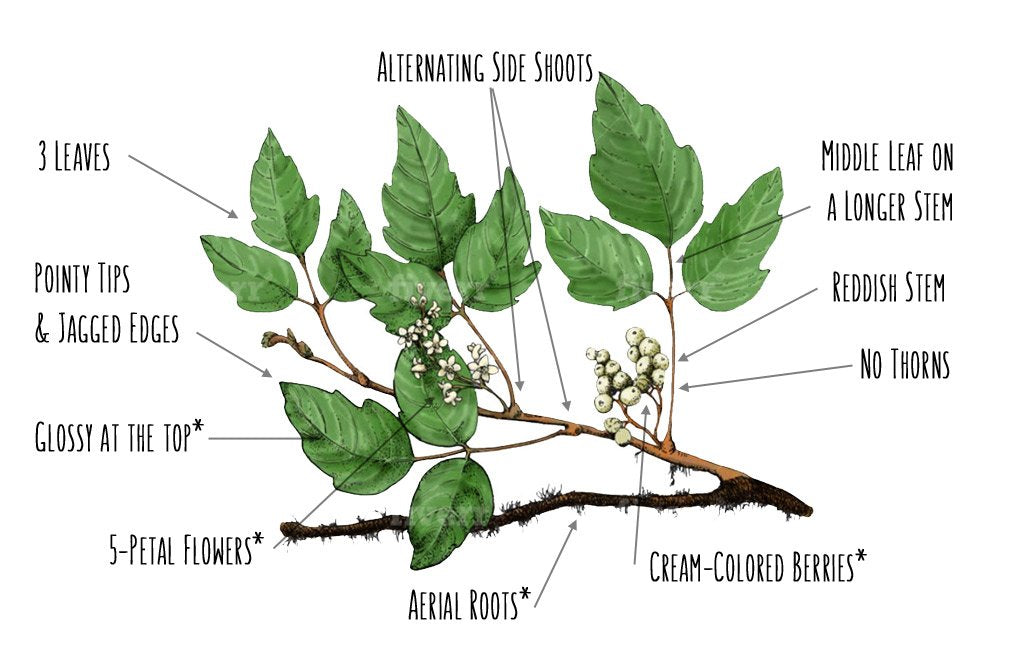
The most famous and helpful identifying characteristic of poison ivy is its compound leaves, which are typically divided into three leaflets. The central leaflet usually has a longer stalk than the two side leaflets. The leaves are generally almond-shaped, with smooth or toothed edges. However, the appearance of the leaves can vary depending on the season and the plant’s growing conditions. In the spring, the leaves may have a reddish tinge, turning green in the summer, and then a vibrant yellow, orange, or red in the fall.
The adage “leaves of three, let it be” is a timeless piece of advice for avoiding poison ivy. However, it’s important to note that other plants also have leaves in groups of three. Therefore, while this is a primary indicator, it should be used in conjunction with other identifying features.
Leaflet Shape and Arrangement
The leaflets themselves are often asymmetrical, with the edge of the leaflet attached to the leaf stem being more rounded. The other edge, away from the stem, might be straighter or have a more pronounced curve. The leaflets are arranged alternately on the stem, not directly opposite each other.
Fact: The itch-inducing compound in poison ivy is called urushiol. It’s an oily resin that coats the plant’s leaves, stems, and roots.
Distinguishing Poison Ivy from Other Plants
Several plants share similarities with poison ivy, leading to confusion. Box elder saplings, for instance, often have compound leaves with three leaflets. However, box elder leaflets are typically more symmetrical and have serrated edges. Virginia creeper, another common plant, also has five leaflets (rarely three) and often exhibits a reddish stem, but its leaf structure is distinct. Familiarizing yourself with these common look-alikes is essential to avoid misidentification.
| Feature | Poison Ivy | Box Elder Sapling | Virginia Creeper (3 leaflets) |
| :—————- | :—————————— | :——————————- | :—————————- |
| Number of Leaflets | Three | Three | Three (rarely) |
| Leaf Margin | Smooth or toothed | Serrated | Serrated |
| Leaflet Shape | Asymmetrical, almond-shaped | Symmetrical, ovate | Ovate |
| Leaf Arrangement | Alternate | Opposite | Alternate |
| Stem Color | Green to reddish | Green to reddish | Reddish |
Seasonal Changes and Other Clues
Poison ivy’s appearance changes throughout the year, which can aid in its identification.
* **Spring:** New leaves often emerge with a reddish or bronze hue.
* **Summer:** Leaves are typically a vibrant green.
* **Fall:** The plant displays striking yellow, orange, or red foliage, which can be a strong indicator.
* **Winter:** While leafless, poison ivy vines can still be identified by their hairy, greyish-brown appearance and the presence of small, clustered berries that are grayish-white. These berries persist through the winter.
The Urushiol Oil: The Real Danger
The primary concern with poison ivy is not the plant itself but the urushiol oil it contains. This oil is released when the plant is bruised, scratched, or cut, and it can remain on surfaces and clothing for extended periods. Direct contact with urushiol can cause an allergic reaction in most people, resulting in an itchy, blistering rash. Even indirect contact, such as touching something that has come into contact with the plant, can lead to a reaction.
Did You Know? Urushiol can remain potent on tools, clothing, and even pet fur for months or even years if not properly cleaned.
What to Do If You Suspect Exposure
If you believe you have come into contact with poison ivy, immediate action is crucial. Wash the affected skin thoroughly with soap and water as soon as possible. It is also advisable to wash any clothing or contaminated items that may have come into contact with the plant. This helps to remove any remaining urushiol and minimize the spread of the oil.
Preventative Measures
The best approach to dealing with poison ivy is prevention. When hiking or spending time in areas where poison ivy is prevalent, wear long sleeves, long pants, and closed-toe shoes. Be aware of your surroundings and try to identify poison ivy before you get too close. Consider wearing gloves when gardening or performing yard work in areas where poison ivy might be present.
Frequently Asked Questions about Poison Ivy
**Q1: Can poison ivy spread from person to person?**
A1: The rash itself is not contagious. However, if urushiol oil is still on your skin or clothing and you touch someone else, that person can develop a rash. It’s the oil, not the blister fluid, that causes the spread.
**Q2: Are all three-leaved plants poisonous?**
A2: No, not all plants with three leaves are poisonous. As mentioned, box elder saplings and some other plants have three leaflets but are not poison ivy. Always look for the combination of features discussed in this article.
**Q3: What are the early symptoms of a poison ivy rash?**
A3: Early symptoms often include redness and itching at the site of contact. This can progress to swelling and blistering within a few hours to a few days after exposure.
In conclusion, learning to identify poison ivy is an essential skill for anyone who spends time outdoors. By remembering the “leaves of three” rule and paying attention to leaflet shape, arrangement, and the plant’s growth habits, you can significantly reduce your risk of exposure. Be vigilant during different seasons, as the plant’s appearance changes. Always remember that the urushiol oil is the culprit, and prompt washing after suspected contact is vital. Educating yourself and taking preventative measures will ensure a more enjoyable and itch-free outdoor experience.