# Real Gold vs. Fake Gold: A Comprehensive Guide
The allure of gold has captivated humanity for millennia, symbolizing wealth, power, and enduring beauty. However, the precious metal’s desirability has also given rise to a thriving market for counterfeits, making it crucial for consumers to discern genuine gold from its imposters. Whether you’re a seasoned collector or a novice investor, understanding the key characteristics of real gold and employing simple testing methods can save you from costly mistakes. This guide will equip you with the knowledge to confidently identify authentic gold, ensuring your investments and purchases are sound.
The market is flooded with various gold alloys, each with its own unique properties and purities, often denoted by karats. Understanding these different purities is fundamental to appreciating the value and authenticity of gold. For instance, 24-karat gold represents pure gold (99.9%), which is exceptionally soft and rarely used in its pure form for jewelry due to its malleability. More commonly, jewelry is made from 18-karat (75% gold), 14-karat (58.3% gold), or 10-karat (41.7% gold) alloys, where gold is mixed with other metals like copper, silver, or zinc to enhance durability and alter color.
| Category | Details |
| :—————- | :———————————————————————————————————————————————————————————————————————————————————————————————————————————————————————————————————————————————————————————————————————————————————————————————————————————————————————————————————————————————————————————————————————————————————————————————————————————————————————————————————————————————————————————————————————————————————————————————————————————————————————————————————————————————————————————————————————————————————————————————————————————————————————————————————————————————————————————————————————————————————————————————————————————————————————————————————————————————————————————————————————————————————————————————————————————————————————————————————————————————————————————————————————————————————————————————————————————————————————————————————————————————————————————————————————————————————————————————————————————————————————————————————————————————————————————————————————————————————————————————————————————————————————————————————————————————————————————————————————————————————————————————————————————————————————————————————————————————————————————————————————————————————————————————————————————————————————————————————————————————————————————————————————————————————————————————————————————————————————————————————————————————————————————————————————————————————————————————————————————————————————————————————————————————————————————————————————————————————————————————————————————————————————————————————————————————————————————————————————————————————————————————————————————————————————————————————————————————————————————————————————————— |
| **Gold Purity** | **24 Karat (24K):** 99.9% pure gold. Extremely soft, bright yellow, rarely used in jewelry, usually in bullion or as an investment.
**22 Karat (22K):** 91.7% gold. Often used for high-end jewelry and coins, offers a rich color with added durability.
**18 Karat (18K):** 75% gold. A popular choice for jewelry, offering a good balance between color, durability, and cost. Available in yellow, white, and rose gold variations.
**14 Karat (14K):** 58.3% gold. Very common in jewelry due to its durability and affordability. It’s harder than higher karat gold.
**10 Karat (10K):** 41.7% gold. The minimum legal standard for “gold” in the US. It’s the most durable but has the least amount of gold, making it the most affordable. |
| **Hallmarks** | Authentic gold items are typically stamped with hallmarks indicating their purity and manufacturer. Common hallmarks include:
– **Karat Mark:** Such as “14K”, “18K”, “22K”, or “24K”.
– **Manufacturer’s Mark:** A unique symbol or logo of the company that produced the item.
– **Country of Origin:** Sometimes indicated.
*Note: The absence of a hallmark does not automatically mean an item is fake, especially for older or custom-made pieces, but its presence is a strong indicator of authenticity.* |
| **Color & Luster** | Real gold possesses a distinct, rich yellow hue and a luster that doesn’t tarnish or fade easily. While alloys can alter the color (e.g., white gold, rose gold), genuine gold will maintain its metallic sheen. Fake gold, such as gold plating, may show a brassy undertone or lose its shine over time, especially with wear. |
| **Weight & Density** | Gold is a dense metal. A real gold item will feel heavier than a similarly sized item made from base metals. This property can be assessed by comparing the suspect item to a known real gold item of similar dimensions, or by using a jeweler’s scale and density testing methods (e.g., Archimedes’ principle). |
| **Magnetic Properties** | Pure gold is not magnetic. If an item is strongly attracted to a magnet, it is likely not solid gold, as it may contain ferromagnetic metals like iron or nickel. However, some alloys used in gold plating might also be non-magnetic, so this test is not foolproof on its own. |
### Testing the Authenticity of Gold
Several methods can help you determine if your gold is real. These range from simple at-home tests to more sophisticated professional assessments.
#### Visual Inspection and Hallmarks
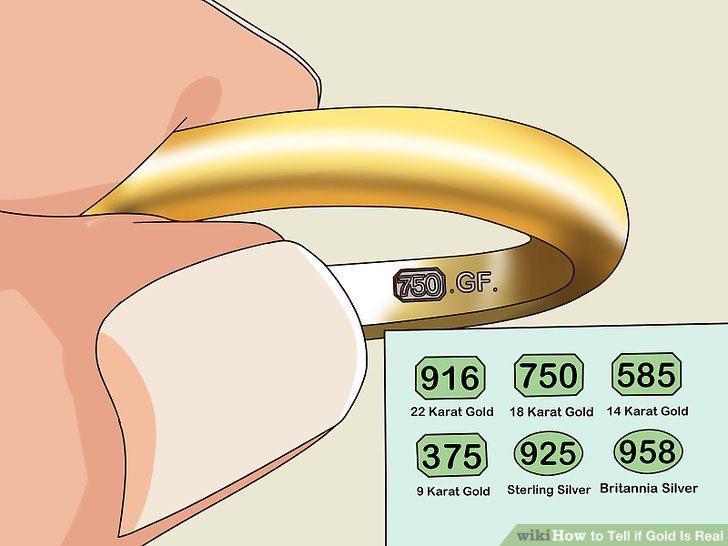
The first step is always a thorough visual inspection. Look for official stamps or hallmarks. These are usually found on clasps, inside rings, or on the back of pendants. Common markings include the karat weight (e.g., 14K, 18K, 24K) and sometimes a manufacturer’s mark. If you see numbers like “585,” “750,” or “999,” these respectively correspond to 14K, 18K, and 24K gold (European marking system). Be wary of worn-off or unevenly stamped hallmarks, which could indicate a fake.
#### The Magnet Test
Gold is not magnetic. Take a strong magnet (stronger than a refrigerator magnet, like a neodymium magnet) and hold it near the gold item. If the gold is attracted to the magnet, it’s likely not pure or is heavily alloyed with magnetic metals, meaning it’s probably not genuine. However, keep in mind that some non-gold metals used in fakes are also non-magnetic, so this test alone is not definitive.
#### The Density Test (Water Displacement)
Gold is a very dense metal. You can perform a basic density test using water.
1. Fill a small container with water and mark the water level.
2. Weigh the gold item.
3. Submerge the gold item in the water, ensuring it’s fully underwater, and mark the new water level.
4. Calculate the volume of the displaced water (the difference between the two marks).
5. Calculate the density by dividing the item’s weight by the volume of displaced water. Compare this density to the known density of gold (pure gold is approximately 19.3 g/cm³). Real gold alloys will have densities close to this value, while fakes will typically be less dense.
#### The Ceramic Scratch Test
This test involves scratching the gold item on an unglazed ceramic tile.
1. Obtain an unglazed ceramic tile or plate.
2. Gently rub the gold item across the tile.
3. If the item leaves a gold streak, it is likely real gold.
4. If it leaves a black or gray streak, it is likely fake.
Be cautious, as this test can scratch your gold item, so it’s best used on pieces you don’t mind potentially damaging.
A common method for testing gold involves using a nitric acid test kit. This requires a touchstone and bottles of nitric acid of varying strengths. The gold item is rubbed on the stone to leave a mark, and then acid is applied to the mark. Different strengths of acid react differently with various gold purities and base metals, allowing for identification. This method should only be performed by experienced individuals or professionals as the acid is corrosive.
### What About Gold Plating?
Gold plating involves a thin layer of real gold applied to a base metal. While it has the appearance of gold, it’s not solid gold and can wear off over time. Distinguishing plated gold often requires more careful observation.
* **Look for wear:** Check edges and high-contact areas for signs of the base metal showing through.
* **Color variation:** Plated items might have a slightly different hue than solid gold, especially where the plating is thin or worn.
* **Hallmarks on plated items:** Plated items may be stamped with “GP” (Gold Plated), “GF” (Gold Filled), or “HGE” (Heavy