# The Ultimate Guide to Cleaning Your Self-Cleaning Oven
Self-cleaning ovens are a marvel of modern kitchen technology, promising to tackle stubborn grease and baked-on food with the simple push of a button. While the self-cleaning cycle does a significant portion of the work, it’s not entirely hands-off. To keep your oven in pristine condition and ensure its self-cleaning function works optimally, a little manual attention is still required. This guide will walk you through the process, from understanding how self-cleaning works to performing regular maintenance and tackling any residue left behind.
Understanding the self-cleaning mechanism is key to effective maintenance. Most self-cleaning ovens operate using one of two methods: pyrolysis or steam cleaning. Pyrolytic self-cleaning ovens, the more common type, heat the oven to extremely high temperatures (around 900°F or 482°C), incinerating food residue into a fine ash. Steam cleaning ovens use water to generate steam, which loosens food particles, making them easier to wipe away. Each method has its advantages and requires slightly different approaches for optimal results.
| Category | Information |
| :——————- | :————————————————————————————————————————————————————————————————————————————————————————————————————————————————————————————————————————————————————————————————————————————————————————————————————————————————————————————————————————————————————————————————————————————————————————————————————————————————————————————————————————————————————————————————————————————————————————————————————————————————————————————————————————————————————————————————————————————————————————————————————————————————————————————————————————————————————————————————————————————————————————————————————————————————————————————————————————————————————————————————————————————————————————————————————————————————————————————————————————————————————————————————————————————————————————————————————————————————————————————————————————————————————————————————————————————————————————————————————————————————————————————————————————————————————————————————————————————————————————————————————————————————————————— |
| **Oven Type** | Self-Cleaning Oven (Pyrolytic or Steam-Cleaning) |
| **Functionality** | Utilizes high temperatures (pyrolytic) or steam (steam-cleaning) to break down food residue, simplifying the cleaning process. |
| **Maintenance** | Requires periodic manual wiping to remove residue after self-cleaning cycles, occasional cleaning of the oven door and control panel, and ensuring proper ventilation during self-cleaning. |
| **Key Features** | Automated cleaning cycle, often with locking mechanisms for safety during high-temperature operation. Some models offer different cleaning levels or durations. |
| **Authentic Reference** | [https://www.applianceaid.com/how-to-clean-self-cleaning-ovens.html](https://www.applianceaid.com/how-to-clean-self-cleaning-ovens.html) |
## Before You Begin: Preparation is Key
Before initiating a self-cleaning cycle, it’s crucial to prepare your oven and its surroundings. This not only ensures the effectiveness of the cleaning process but also prioritizes safety. Remove all oven racks, broiler pans, and any other accessories from the oven cavity. These items can be warped or damaged by the high temperatures. Additionally, wipe up any large spills or food debris from the bottom of the oven. This prevents excessive smoke and fumes during the cycle. It’s also recommended to open windows or turn on your range hood fan to ensure proper ventilation, as the self-cleaning process can produce odors.
## Running the Self-Cleaning Cycle
Once your oven is prepped, it’s time to engage the self-cleaning function. Consult your oven’s manual for specific instructions, as cycles can vary between brands and models. Generally, you’ll select the self-clean option and choose the duration or độ “soil level” for the cycle. The oven door will automatically lock for safety and will remain locked until the temperature has sufficiently decreased. This process can take anywhere from two to five hours, depending on the oven and the selected cycle length. During this time, it’s best to leave the kitchen to avoid inhaling any potential fumes.
Some sources suggest that running the self-cleaning cycle can negatively impact the longevity of oven components due to the extreme heat involved. Therefore, using it only when absolutely necessary is often advised.
## Post-Cleaning: Wiping Away the Ash
After the self-cleaning cycle is complete and the oven has cooled down sufficiently for the door to unlock, you’ll notice a fine layer of gray ash on the oven floor and walls. This is the incinerated residue from your cooking. Use a damp cloth or sponge to wipe away this ash. For stubborn spots, a non-abrasive cleaner or a paste of baking soda and water can be effective. Avoid using harsh chemical oven cleaners on the interior surfaces, as they can damage the enamel coating and interfere with future self-cleaning cycles.
### Cleaning the Oven Door and Exterior
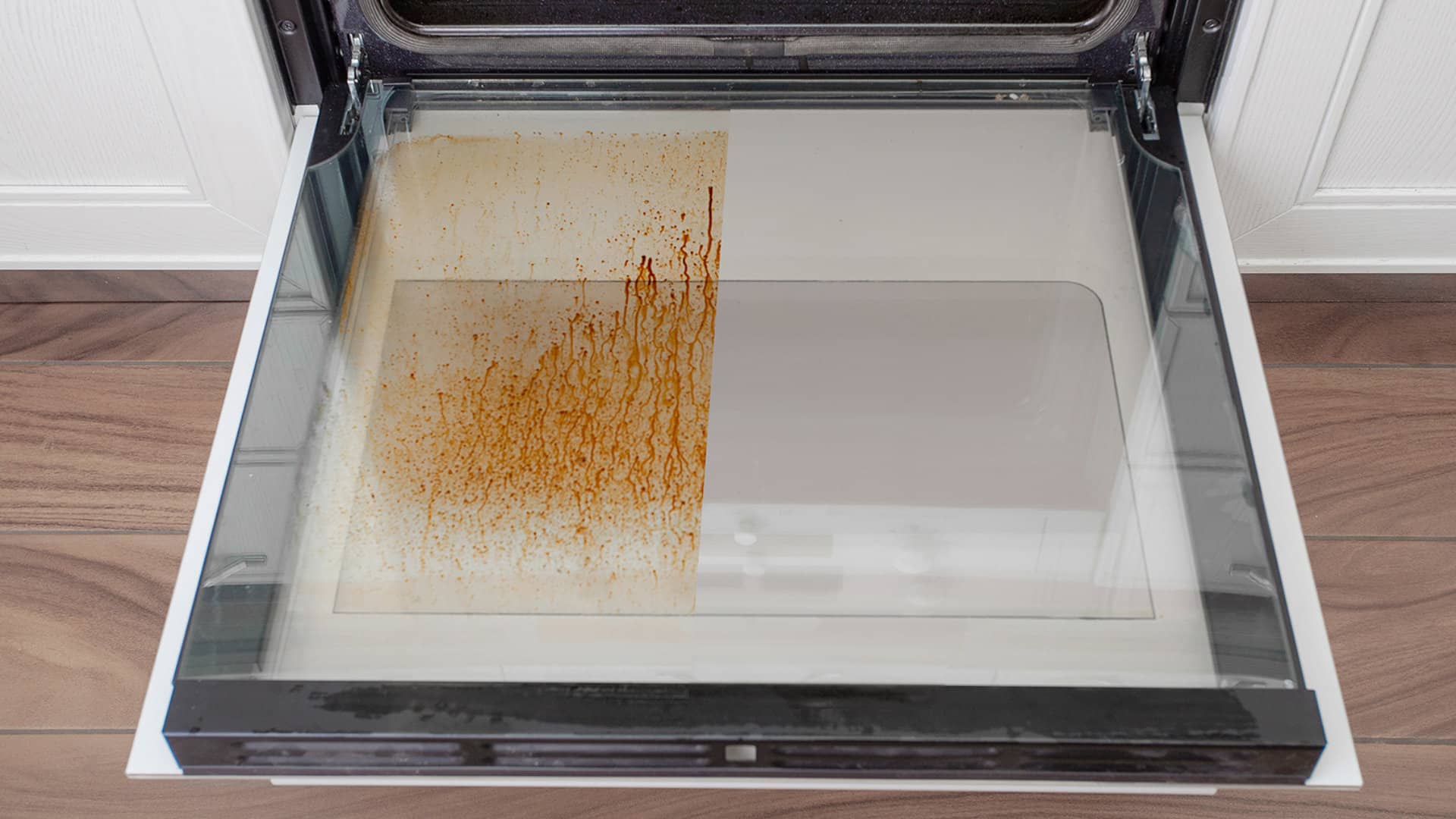
While the self-cleaning cycle focuses on the interior cavity, the oven door and exterior will likely still need manual cleaning. The glass on the oven door can accumulate grease and grime. Use a glass cleaner or a mixture of vinegar and water to wipe it down. For the exterior, a stainless steel cleaner or a mild all-purpose cleaner will work, depending on the finish of your oven. Always spray the cleaner onto a cloth, not directly onto the oven, to prevent liquid from seeping into control panels or vents.
## Tips for Maintaining a Sparkling Oven
Regular maintenance is key to minimizing the need for frequent self-cleaning cycles and prolonging the life of your oven.
* **Wipe spills immediately