# Mastering the Art: How to Ask for More Money in a Job Offer
Negotiating a salary for a new job offer can be a daunting yet crucial step in your career journey. It’s the moment where your skills, experience, and market value are put to the test, and a successful negotiation can significantly impact your financial well-being and career trajectory. Approaching this conversation with confidence, preparation, and a strategic mindset is key to securing a compensation package that truly reflects your worth. Remember, the initial offer is often just a starting point, and many employers expect candidates to negotiate.
The process begins long before you receive the offer. Thorough research into industry standards, company compensation practices, and your own market value is paramount. Understanding the typical salary range for your desired role in your specific geographic location, and considering the company’s size and financial health, will equip you with the data needed to make a compelling case. Sites like Glassdoor, LinkedIn Salary, and Payscale can be invaluable resources for gathering this information.
## Understanding Your Value and Market Rate
Before you even consider responding to an offer, dedicate time to understanding your unique value proposition. What specific skills, experiences, and achievements do you bring that set you apart from other candidates? Quantify your accomplishments whenever possible – think in terms of revenue generated, costs saved, efficiencies improved, or projects successfully completed. This data will form the backbone of your negotiation strategy.
### Researching Salary Benchmarks
* **Industry Averages:** Utilize online salary tools and professional networks to determine the average salary for your role in your region.
* **Company-Specific Data:** If possible, research salary ranges or compensation philosophies for the specific company you’re in talks with.
* **Cost of Living:** Factor in the cost of living in the new location if the job requires relocation.
## The Anatomy of a Successful Negotiation
Once you have a solid understanding of your worth and the market, you can prepare for the conversation itself. It’s often best to receive the offer verbally first, allowing you an opportunity to express enthusiasm and ask clarifying questions before diving into negotiations. This initial conversation provides a chance to gauge the employer’s initial flexibility.
### Timing is Everything
The optimal time to negotiate is after you have received a formal job offer and have had a chance to review it thoroughly. Expressing your gratitude for the offer and your excitement about the opportunity creates a positive foundation for the discussion. Avoid negotiating too early in the process, as this can sometimes signal a lack of genuine interest.
#### When to Initiate the Conversation:
* After receiving the official offer.
* After reviewing the offer in detail.
* When you have a clear understanding of your desired salary range.
## Strategies for Asking for More
When you’re ready to ask for more, be direct, polite, and confident. Frame your request around your value and the market data you’ve gathered, rather than simply stating a higher number. Highlight specific aspects of your experience or skills that justify your request.
### Key Negotiation Tactics:
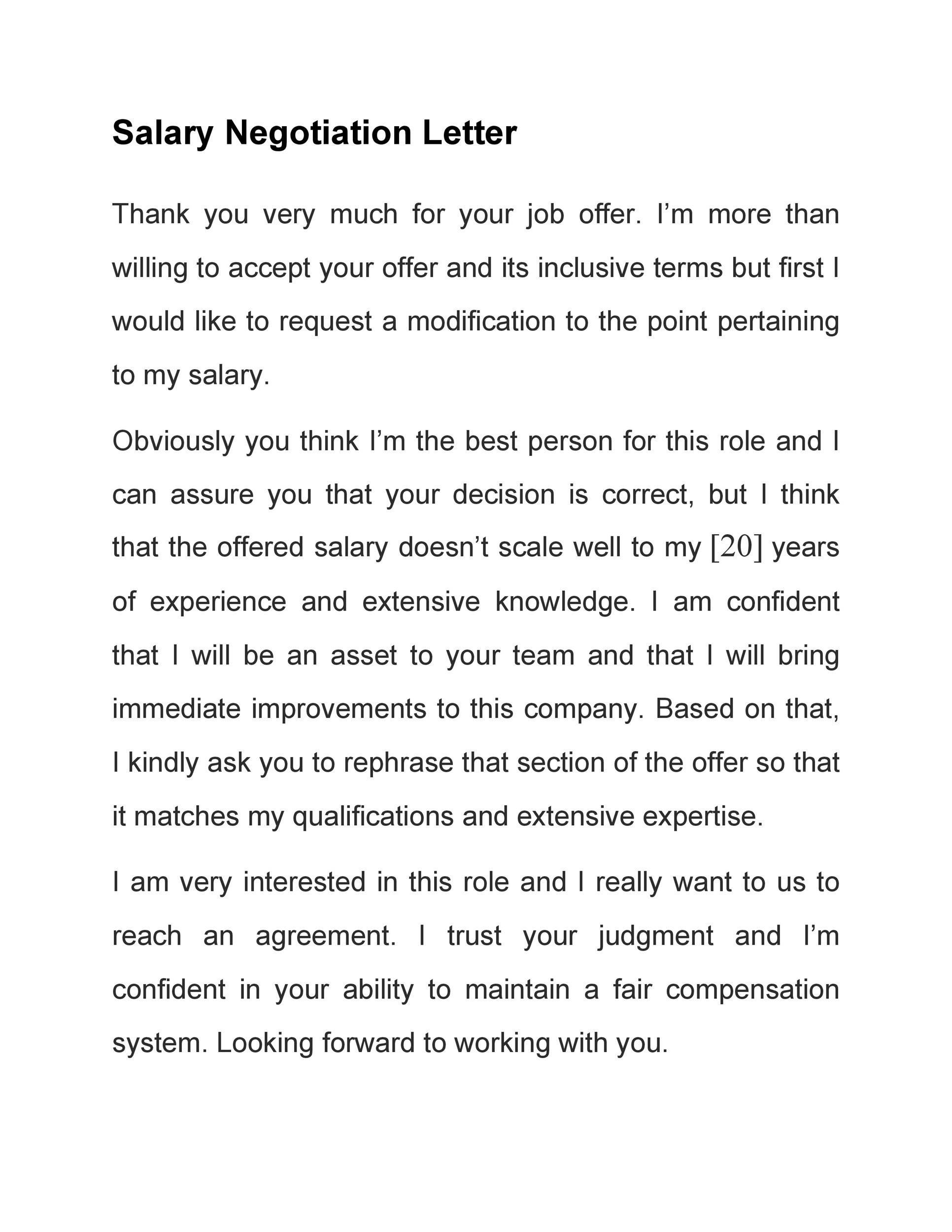
* **State Your Case Clearly:** “Thank you for the offer, I’m very excited about this opportunity. Based on my research into similar roles in this market, and considering my [mention specific skill or experience], I was expecting a salary closer to [your desired figure].”
* **Focus on Value, Not Just Need:** Emphasize what you bring to the company, not just why you need more money.
* **Be Prepared for Counter-Offers:** Have a clear idea of your walk-away point and your ideal outcome.
* **Consider the Total Compensation:** If salary is rigid, explore other benefits like bonuses, stock options, additional vacation time, or professional development opportunities.
A crucial aspect of salary negotiation is understanding that it’s not just about the base salary. Many companies offer a comprehensive benefits package that can significantly add to your overall compensation. This can include health insurance, retirement plans, paid time off, and performance bonuses. Always evaluate the total compensation, not just the number on the offer letter.
### Beyond Base Salary: Exploring Other Compensation
If the employer is unable to meet your desired base salary, explore other avenues of compensation. This could include signing bonuses, performance-based incentives, increased vacation time, flexible work arrangements, or professional development budgets. These elements can often bridge the gap and make an offer more attractive.
## What to Do If Your Request is Denied
If, after presenting your case, the employer is unwilling or unable to meet your salary expectations, don’t be discouraged. Re-evaluate the offer in its entirety, considering all the benefits and the overall career opportunity. You may decide to accept the offer as is, or you might politely decline if it doesn’t align with your financial needs and career goals.
**Factoid:** The average number of days it takes to fill a job position can vary greatly by industry and role, but it’s often longer than many people assume, sometimes extending to over 40 days. This is why employers often want to secure a candidate they are confident in, and may have some flexibility in negotiation.
### Common Reasons for Salary Rejection:
* Budgetary constraints within the company.
* Internal equity concerns (ensuring consistency with existing employees).
* The offer already reflects the top of the salary band for the position.
## Frequently Asked Questions (FAQ)
**Q1: When is the best time to negotiate salary?**
A1: The best time to negotiate is after you have received a formal job offer and have had an opportunity to review it thoroughly.
**Q2: How much should I ask for?**
A2: Aim for a figure that is supported by your research into market rates and your unique qualifications. It’s often advised to ask for slightly more than your absolute minimum to allow room for negotiation.
**Q3: What if they ask for my salary expectations early in the interview process?**
A3: You can provide a broad range based on your research or politely defer the question by stating you’d prefer to discuss compensation once you have a better understanding of the role and its responsibilities.
**Q4: Should I negotiate if the offer is already at the top of my desired range?**
A4: It’s generally not recommended unless you have strong leverage or new information. However, you can still explore negotiating non-salary benefits.
**Q5: What if the company rescinds the offer after I negotiate?**
A5: This is rare for legitimate, professional negotiations. If it happens, it might indicate a company culture that is not conducive to open communication or fair treatment.
It’s important to remember that negotiation is a two-way street. Employers are looking for candidates who are confident and self-aware, but also professional and reasonable. Approaching the conversation with respect and a collaborative spirit can lead to a mutually beneficial outcome.
## Post-Negotiation: Securing the Agreement
Once you’ve reached an agreement, ensure all the details are confirmed in writing. This includes the finalized salary, any bonuses, benefits, start date, and any other agreed-upon terms. A clear, written agreement protects both parties and avoids future misunderstandings. Congratulations on successfully navigating the job offer negotiation!