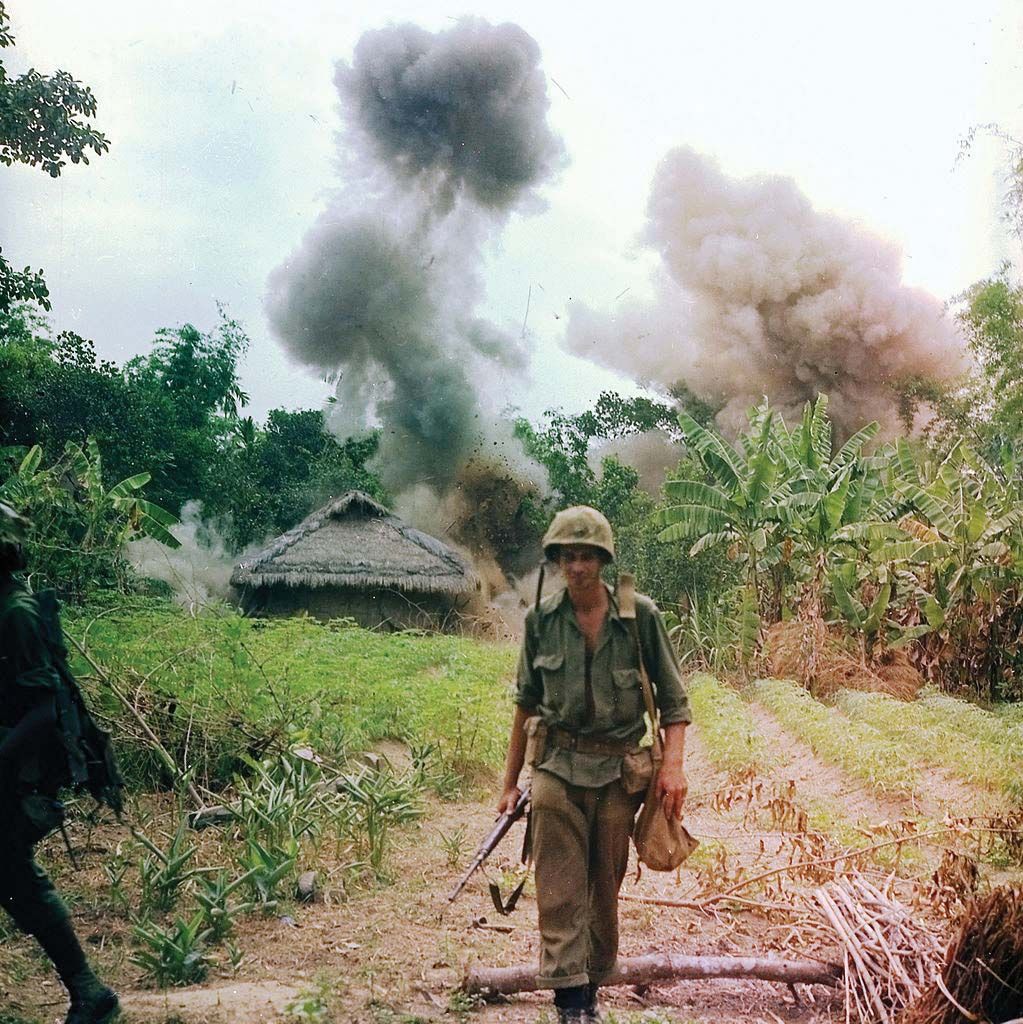
A Solemn Reckoning: Unpacking the Human Cost of the Vietnam War
The Vietnam War, a protracted and deeply divisive conflict, left an indelible scar on the 20th century, its echoes still resonating in the collective memory of nations. Beyond the geopolitical strategies and ideological battles, the war was a crucible of immense human suffering, claiming millions of lives and forever altering the destinies of countless others. Understanding the true scale of this tragedy requires a sober examination of the data, acknowledging the profound grief that settled upon families and communities caught in the maelstrom of war. The sheer magnitude of loss underscores the devastating impact of armed conflict, serving as a somber reminder of the human price paid for political and military objectives.
The human cost of the Vietnam War is staggering, encompassing both Vietnamese and American casualties, as well as those from allied nations. While precise figures remain a subject of historical debate and meticulous research, the consensus points to a devastating loss of life, particularly among the Vietnamese population. The conflict’s intensity and duration meant that the toll continued to mount for years, with consequences that extended far beyond the battlefield.
| Category | Estimated Number | Notes |
| :———————– | :————— | :————————————————————————————————————————————————————————————————————————————————————————————————————————————————— |
| **North Vietnamese & Viet Cong** | 1.1 million – 3.8 million | This figure includes both military deaths and civilian casualties. Estimates vary widely due to the nature of the conflict, record-keeping challenges, and the widespread destruction. |
| **South Vietnamese** | 200,000 – 250,000 | This figure primarily represents military deaths. Civilian casualties are often difficult to distinguish from those of the North Vietnamese and Viet Cong. |
| **U.S. Military** | ~58,220 | This is the number of American service members who died in the war or as a result of their service in Vietnam. This figure is prominently displayed on the Vietnam Veterans Memorial in Washington, D.C. |
| **Other Allied Forces** | ~5,000 – 6,000 | This includes soldiers from countries like South Korea, Australia, New Zealand, Thailand, and the Philippines, who fought alongside South Vietnam. |
| **Civilians (overall)** | 1.5 million – 2 million | This is a combined estimate for both North and South Vietnamese civilians killed as a direct result of the war, including combat, bombing, and atrocities. This figure is highly debated and difficult to ascertain with precision. |
| **Missing in Action (MIA)** | ~1,500 (U.S.) | While the war officially ended, a number of American service members remain unaccounted for, a persistent source of pain for families and a subject of ongoing investigation. |
**Reference:** [https://www.archives.gov/research/vietnam-war](https://www.archives.gov/research/vietnam-war)
### The Staggering Toll on Vietnamese Lives
The vast majority of those who perished in the Vietnam War were Vietnamese. Estimates suggest that between 1.1 million and 3.8 million North Vietnamese and Viet Cong soldiers and civilians were killed. South Vietnamese military deaths are estimated to be between 200,000 and 250,000, with civilian casualties also numbering in the hundreds of thousands, though precise figures are elusive due to the nature of the conflict. The widespread use of bombing, artillery, and ground combat resulted in immense destruction and loss of life across both sides of the divided nation.
The sheer scale of Vietnamese casualties underscores the devastating impact of prolonged warfare on a nation. The conflict’s pervasive nature meant that civilians were frequently caught in the crossfire, becoming victims of direct combat, aerial bombardments, and the use of chemical agents.
### American Casualties and the Weight of Loss
For the United States, the Vietnam War resulted in the deaths of approximately 58,220 service members. This figure, etched onto the Vietnam Veterans Memorial in Washington, D.C., represents a profound national tragedy. Beyond the immediate loss of life, thousands more were wounded, many with life-altering injuries, and a significant number suffered from the psychological trauma of combat, commonly known as “shell shock” or Post-Traumatic Stress Disorder (PTSD). The memory of the 1,500 American service members still listed as Missing in Action (MIA) continues to weigh heavily on the nation.
#### The Experience of U.S. Servicemembers
The American experience in Vietnam was diverse, with soldiers serving in various roles and facing different combat scenarios.
* **Combat Arms:** Infantry, armor, and artillery units often bore the brunt of direct engagements with enemy forces.
* **Support Roles:** Medics, engineers, pilots, and logistics personnel played crucial roles in sustaining the war effort, often facing risks far from the front lines.
* **Special Operations:** Elite units conducted reconnaissance, counter-insurgency, and direct action missions in highly dangerous environments.
### Allied Contributions and Sacrifices
Beyond the primary combatants, several allied nations contributed forces to support South Vietnam. South Korea, Australia, New Zealand, Thailand, and the Philippines all sent troops, participating in combat operations and providing various forms of assistance. While their numbers were smaller than those of the U.S., their sacrifices were significant, with thousands of allied soldiers also losing their lives in the conflict.
The “Ho Chi Minh Trail” was not a single path but a complex network of jungle tracks, roads, and waterways stretching over 1,000 miles from North Vietnam to South Vietnam. It was a vital supply line for the Viet Cong and North Vietnamese Army, constantly under attack and requiring immense bravery and resilience from those who used it.
### The Lingering Shadow of War
The Vietnam War’s human cost cannot be solely measured in casualty figures. The conflict had profound and lasting effects on the societies involved.
* **Psychological Scars:** Millions suffered from PTSD, anxiety, and depression, struggles that often persisted long after the war’s end.
* **Societal Division:** The war deeply divided American society, fueling widespread protests and a loss of public trust in government.
* **Reunification and Recovery:** For Vietnam, the war’s end marked the beginning of a long and arduous process of reunification and national rebuilding, a task complicated by the immense loss of life and widespread destruction.
### Frequently Asked Questions (FAQ)
**Q1: What is the most widely accepted estimate for total deaths in the Vietnam War?**
A1: While exact numbers are impossible to determine, most historians estimate the total number of deaths, including military and civilian casualties from all sides, to be between 1.5 million and 3.8 million people.
**Q2: How many American soldiers died in the Vietnam War?**
A2: Approximately 58,220 U.S. service members died in the Vietnam War.
**Q3: Were civilian casualties a significant part of the Vietnam War’s death toll?**
A3: Yes, civilian casualties, particularly among the Vietnamese population, were extremely high and are estimated to be well over a million, possibly as high as two million.
**Q4: What does MIA stand for in the context of the Vietnam War?**
A4: MIA stands for Missing in Action, referring to service members whose status was unknown at the end of the conflict. The number of American MIAs from the Vietnam War is around 1,500.
**Q5: How did the Vietnam War affect the populations of the countries involved?**
A5: The war had devastating effects, including massive loss of life, widespread injury, psychological trauma (like PTSD), societal divisions, and long-term challenges in rebuilding and reconciliation.