“`html
How Many Chicken Breasts Per Pound: A Deliciously Practical Guide
Understanding how many chicken breasts you’ll find in a pound is a common question for home cooks and meal planners alike. This knowledge can significantly impact grocery shopping, recipe scaling, and portion control. While there isn’t a single definitive answer due to variations in breast size, this guide will help you make an informed estimate, ensuring your culinary endeavors are both delicious and efficient. We’ll explore the factors influencing breast weight and provide practical tips for assessing quantities in your own kitchen.
The Variable Nature of Chicken Breast Weight
The number of chicken breasts in a pound is not a fixed constant; it’s a dynamic figure influenced by several key factors. The most obvious variable is the size of the individual chicken breasts themselves. Commercially raised chickens can vary in size, leading to a range of breast weights. Factors such as the breed of chicken, their diet, and even the specific cut of the breast (boneless, skinless, bone-in, skin-on) can all contribute to the final weight. Therefore, when you purchase chicken, you’re likely to get a mix of sizes within your package.
Estimating Chicken Breasts Per Pound
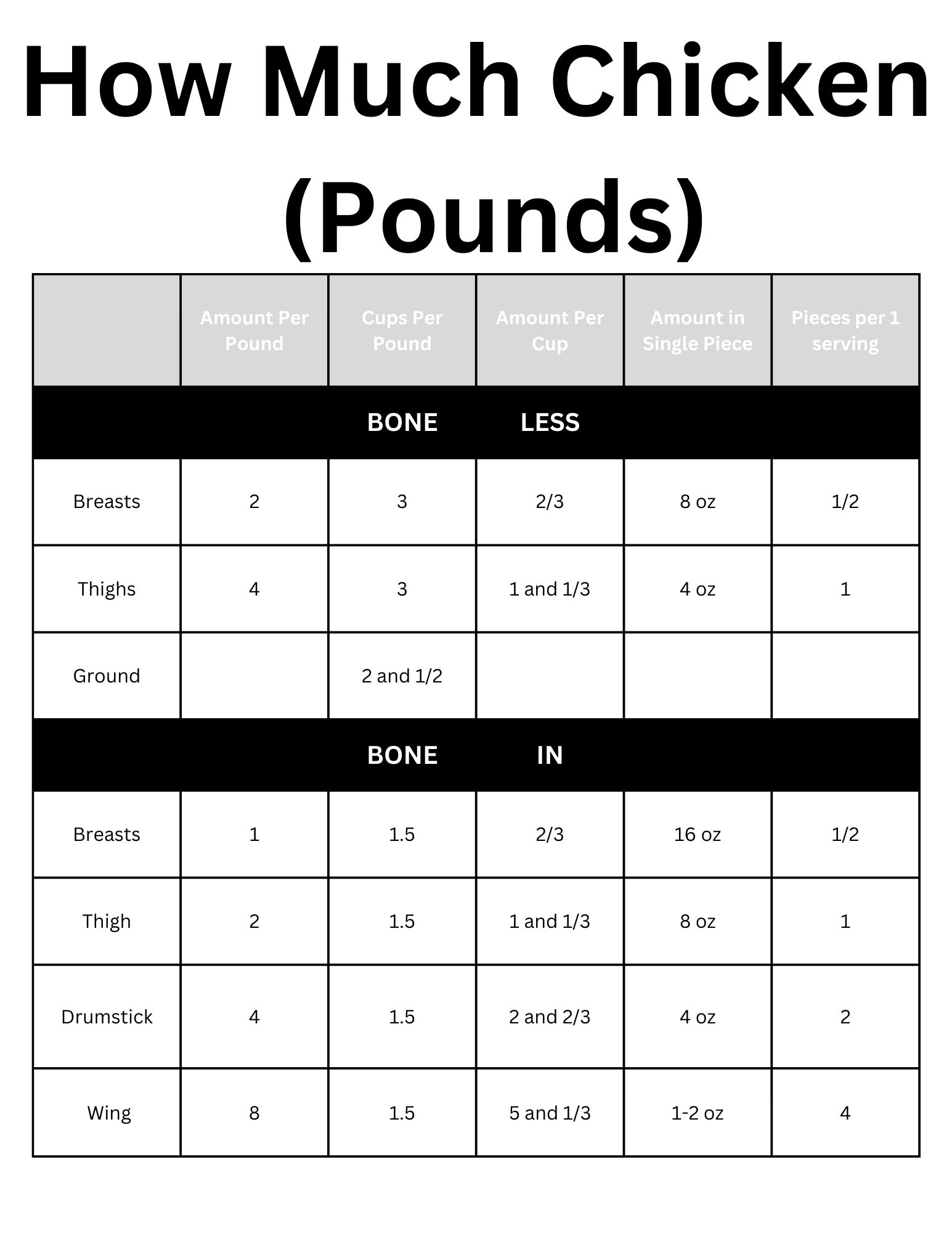
To provide a general guideline, a typical boneless, skinless chicken breast often weighs between 4 to 8 ounces. Based on this, you can estimate that there are roughly 2 to 4 boneless, skinless chicken breasts per pound. However, this is an approximation. Smaller breasts might be closer to 3-4 per pound, while larger ones could be as few as 1-2 per pound.
Fact: The average weight of a cooked boneless, skinless chicken breast is slightly less than its raw weight due to moisture loss during cooking.
Factors Affecting Chicken Breast Size
Delving deeper into the variability, several elements contribute to the size of chicken breasts. Broiler chickens, raised specifically for meat production, are often bred for rapid growth, resulting in larger breast muscles. The feed they consume also plays a role in their overall development and muscle mass. Additionally, the way the chicken is processed and deboned can lead to slight variations in the final product presented to consumers.
Tips for Accurate Portioning
To get the most accurate idea for your specific needs, the best approach is to weigh your chicken breasts. If you’re following a recipe that calls for a certain number of chicken breasts, and you’re unsure about the quantity, a kitchen scale is your best friend. Weighing your chicken ensures precision, especially when adhering to dietary goals or specific recipe instructions.
- Weigh individual chicken breasts to understand their approximate size.
- If a recipe calls for “X number of chicken breasts,” assume an average size and adjust if your breasts are significantly larger or smaller.
- When buying pre-portioned chicken, check the label for the total weight.
Understanding Different Cuts
The type of chicken breast you purchase will also influence how many you get per pound.
| Cut Type | Typical Breasts Per Pound (Estimate) |
|---|---|
| Boneless, Skinless | 2-4 |
| Bone-in, Skin-on | 1-2 (due to bone and skin weight) |
Bone-in, skin-on breasts will naturally weigh more due to the presence of the bone and skin, meaning you’ll have fewer per pound compared to their boneless, skinless counterparts. This is important to consider for both cost and recipe planning.
Meal Planning with Chicken Breasts
When planning your weekly meals, having a good estimate of chicken breasts per pound can streamline your grocery list. If a recipe calls for, say, 3 pounds of chicken breast, and you know you typically get 3 breasts per pound, you’ll know to buy about 9 chicken breasts. This foresight helps prevent over or under-buying and ensures you have the right amount of protein for your meals.
Did You Know? Chicken breast is a lean protein source, making it a popular choice for health-conscious individuals and athletes.
Frequently Asked Questions
Q1: What is the average weight of a single chicken breast?
A single boneless, skinless chicken breast typically weighs between 4 to 8 ounces. However, this can vary based on the chicken’s size and breed.
Q2: If a recipe calls for 2 chicken breasts, how much should I buy if I want extra?
If a recipe calls for 2 average-sized chicken breasts (around 6-8 ounces each), planning for about 1 to 1.5 pounds of chicken would be a safe bet to ensure you have enough, potentially with a little left over.
Q3: Does the cooking method affect the number of chicken breasts per pound?
No, the cooking method itself does not change the raw weight or the number of raw chicken breasts you get per pound. However, as mentioned, cooking does lead to moisture loss, reducing the final cooked weight.
In conclusion, while there’s no one-size-fits-all answer to how many chicken breasts are in a pound, understanding the influencing factors allows for accurate estimation. Boneless, skinless breasts generally range from 2 to 4 per pound, while bone-in varieties will be fewer. Utilizing a kitchen scale remains the most reliable method for precise measurements, especially for specific dietary needs or complex recipes. This knowledge empowers you to shop smarter, plan meals more effectively, and achieve consistent results in your cooking. By keeping these guidelines in mind, you can confidently navigate your protein purchases and ensure culinary success with every meal.
“`