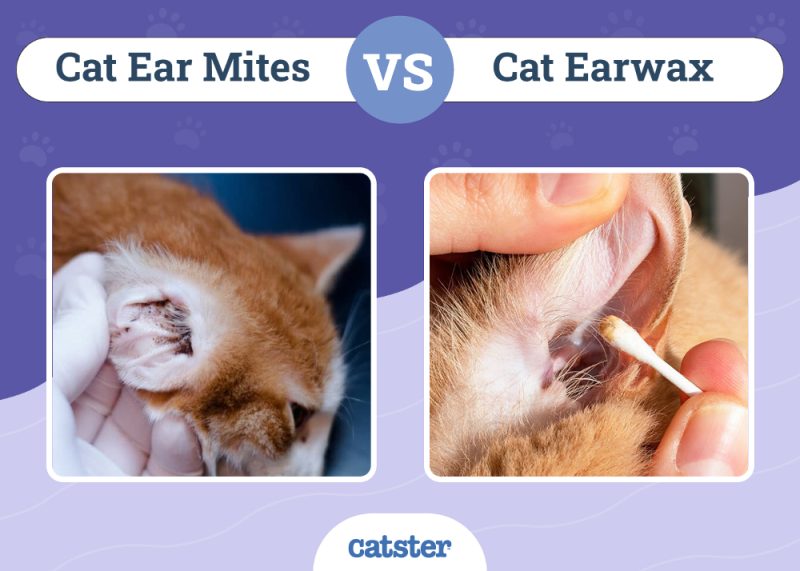
# Unmasking the Mites: A Comprehensive Guide to Identifying Ear Mites in Kittens
Bringing a new kitten into your home is a joyous occasion, filled with playful antics and adorable purrs. However, this new chapter can also bring unexpected health concerns, and one of the most common is ear mites. These tiny parasites, *Otodectes cynotis*, are a frequent nuisance for kittens and can cause significant discomfort if left untreated. Recognizing the signs early is crucial for your kitten’s well-being and can prevent a minor issue from escalating into a more serious problem. This guide will equip you with the knowledge to identify ear mite infestations and ensure your furry friend stays healthy and happy.
The first signs of ear mites can be subtle, often mistaken for general kitten restlessness. Your kitten might exhibit an increase in scratching at their ears or shaking their head more frequently than usual. This persistent itching is a primary indicator that something is amiss within those delicate ear canals. As the infestation progresses, the mites create an environment that can lead to inflammation and secondary infections, making the discomfort even more pronounced.
Ear mites are highly contagious and can spread rapidly among pets in a household, including cats, dogs, and ferrets.
## Understanding the Culprits: What Are Ear Mites?
Ear mites are microscopic arachnids that live in the ear canals of cats and dogs. They feed on earwax and skin oils, and their presence triggers an intense itching sensation. The mites, their eggs, and the resulting debris create a dark, crumbly discharge that is often described as resembling coffee grounds. This discharge is a hallmark sign of an ear mite infestation.
### Life Cycle of Ear Mites
The life cycle of an ear mite is relatively short but efficient, contributing to the rapid spread of infestations.
* **Egg:** The mite eggs are laid in the ear canal and hatch within approximately 3-4 days.
* **Larva:** The larvae mature into nymphs over about 3-4 days.
* **Nymph:** Nymphs develop into adult mites within another 1-2 weeks.
* **Adult:** Adult mites can live for several weeks, with females continuously laying eggs.
This rapid cycle means that even a small initial infestation can quickly become overwhelming if not addressed.
## Recognizing the Symptoms: Signs of Ear Mites in Kittens
Identifying ear mites relies on observing a combination of behavioral changes and physical signs in your kitten.
### Behavioral Indicators:
* **Excessive Scratching:** The most common sign is persistent scratching around the ears, head, and neck.
* **Head Shaking:** Frequent and vigorous shaking of the head can indicate irritation within the ear canal.
* **Restlessness and Discomfort:** Your kitten may seem agitated, irritable, or generally uncomfortable due to the itching.
* **Rubbing Ears:** Kittens might rub their ears against furniture, carpets, or your hands to try and relieve the itch.
### Physical Manifestations:
* **Dark, Crumbly Discharge:** The presence of a dark brown or black, waxy, and crumbly discharge in the ear is a strong indicator of ear mites. This discharge is often described as resembling coffee grounds.
* **Redness and Inflammation:** The inside of the ear may appear red, irritated, and inflamed due to the mites’ activity and scratching.
* **Odor:** A foul or yeasty smell emanating from the ears can be a sign of secondary bacterial or yeast infections, which often accompany ear mite infestations.
* **Hair Loss:** In severe cases, excessive scratching can lead to hair loss around the ears and on the face.
* **Crusts and Scabs:** The ears may develop crusts or scabs from scratching and irritation.
While ear mites are common, it’s important to remember that other conditions, such as bacterial or yeast infections, allergies, or foreign bodies in the ear, can present similar symptoms. Therefore, a veterinary diagnosis is essential.
## The Diagnostic Process: When to See a Veterinarian
If you suspect your kitten has ear mites, a visit to the veterinarian is crucial. They have the tools and expertise to accurately diagnose the condition and recommend the appropriate treatment.
### Veterinary Examination:
1. **Otoscopic Examination:** Your vet will use an otoscope to examine the ear canal. This allows them to visualize the mites, discharge, and the condition of the ear drum.
2. **Microscopic Examination:** A small sample of the ear discharge will be collected and examined under a microscope. This is the definitive way to confirm the presence of ear mites.
## Treatment and Prevention: Banishing the Mites
Fortunately, ear mites are treatable, and with prompt veterinary care, your kitten can be free of these pests.
### Veterinarian-Prescribed Treatments:
* **Miticides:** Your veterinarian will prescribe ear drops or solutions that contain miticides, specifically designed to kill ear mites. It is vital to administer these medications exactly as directed and for the full duration prescribed, even if symptoms improve earlier.
* **Cleaning Solutions:** Gentle ear cleaning solutions may be recommended to help remove the debris and discharge from the ear canal. This should be done carefully to avoid further irritation.
* **Medication for Secondary Infections:** If a secondary bacterial or yeast infection is present, your vet may also prescribe antibiotics or antifungal medications.
### Home Care and Prevention:
* **Follow Vet Instructions:** Adhere strictly to your veterinarian’s treatment plan.
* **Treat All Pets:** If you have other pets, ask your vet if they should also be examined and treated, as ear mites are highly contagious.
* **Environmental Cleaning:** Clean your kitten’s bedding, toys, and any areas they frequent to remove any mites or eggs that may have fallen off.
* **Regular Ear Checks:** Get your kitten accustomed to having their ears checked regularly. This will make future examinations easier and allow you to spot any potential issues early.
## Frequently Asked Questions (FAQ)
**Q1: Can humans get ear mites from kittens?**
A1: While humans can temporarily contract ear mites from pets, they typically do not establish a long-term infestation. The mites may cause mild skin irritation.
**Q2: How long does it take to get rid of ear mites?**
A2: With consistent treatment as prescribed by a veterinarian, most ear mite infestations can be cleared within 1-3 weeks. However, it’s essential to complete the full course of treatment to ensure all mites and their life stages are eliminated.
**Q3: Are ear mites dangerous to kittens?**
A3: While not usually life-threatening, ear mites can cause significant discomfort, pain, and lead to secondary infections that can be serious if left untreated. Prompt veterinary care is important for your kitten’s health.
**Q4: Can I use home remedies for ear mites?**
A4: It is strongly recommended to consult a veterinarian for diagnosis and treatment. Many home remedies are ineffective and could potentially harm your kitten’s ears or worsen the condition.
**Q5: How can I prevent my kitten from getting ear mites in the future?**
A5: Regular veterinary check-ups, maintaining good hygiene, and promptly treating any signs of ear irritation can help prevent future infestations. If you have multiple pets, it’s crucial to ensure they are all free of parasites.
## Informative Table for WordPress Insertion
| Category | Information |
| :——————– | :——————————————————————————————————————————————————————————————————————————————————– |
| **Topic** | Kitten Ear Mites: Identification, Symptoms, and Treatment |
| **Keywords** | Kitten ear mites, cat ear mites, ear mite symptoms, kitten health, pet parasite, otodectes cynotis, veterinary care, cat ear infection |
| **Article Summary** | This article provides a comprehensive guide for kitten owners on how to identify, diagnose, and treat ear mites in kittens. It covers the symptoms, life cycle of mites, veterinary diagnostic methods, treatment options, and prevention strategies. |
| **Target Audience** | New and experienced kitten owners, pet enthusiasts, individuals seeking information on common feline health issues. |
| **Article Tone** | Informative, helpful, concerned, reassuring, professional. |
| **Key Takeaways** | Early detection is crucial. Veterinary diagnosis is essential. Prompt and complete treatment is necessary. Prevention through hygiene and regular check-ups is key. |
| **Call to Action** | Consult your veterinarian immediately if you suspect your kitten has ear mites. |
| **External Reference**| [The Spruce Pets – How to Identify and Treat Ear Mites in Cats](https://www.thesprucepets.com/ear-mites-in-cats-554026) |