Demystifying the Teleprompter: How Does a Teleprompter Work for Seamless Presentations?
A teleprompter, often seen as a secret weapon for polished public speaking and video production, is a sophisticated device that displays text directly in front of a camera lens or presenter. Understanding how does a teleprompter work reveals its ingenious design, which allows speakers to read their script naturally without looking away from their audience or camera. This technology is crucial for maintaining eye contact and delivering a confident, professional performance, making it an indispensable tool for news anchors, politicians, actors, and corporate presenters alike.
The Core Technology: Glass, Beamsplitters, and Reflection
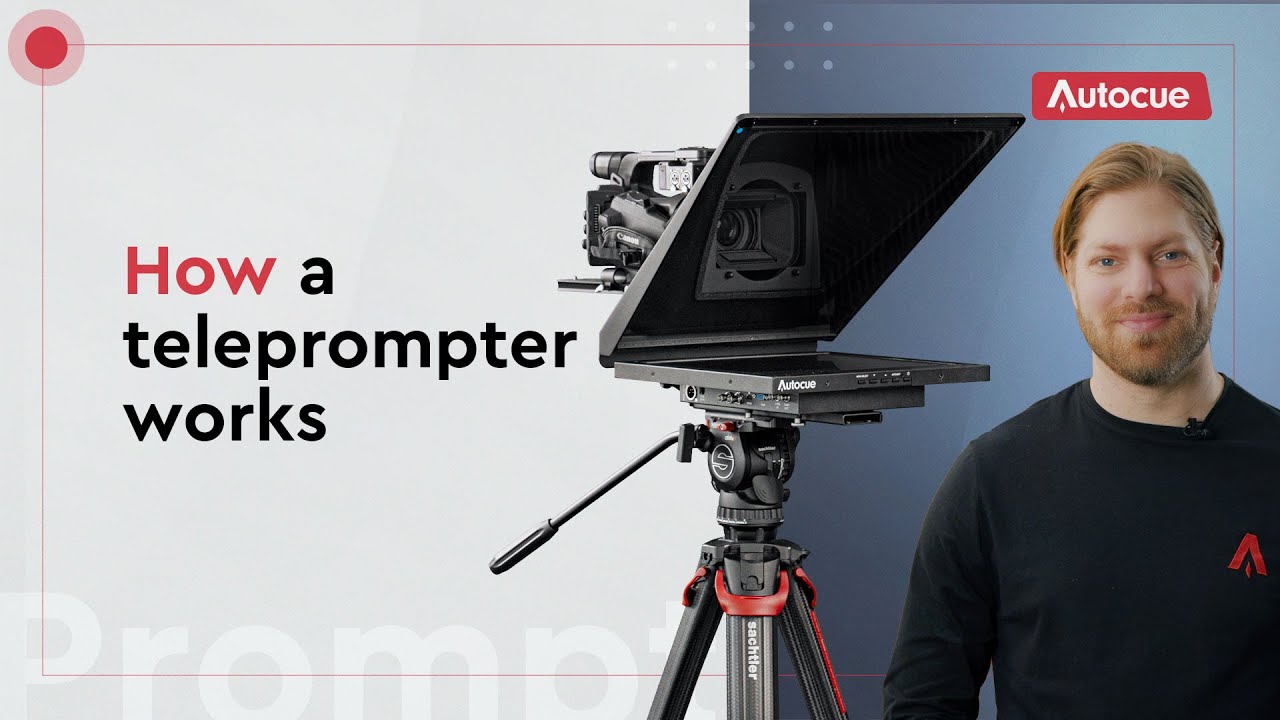
At its heart, a teleprompter relies on a fundamental optical principle: the beamsplitter. A beamsplitter is a special type of mirrored glass that is partially reflective and partially transparent. This unique property is what allows the magic to happen. When a screen displaying the script is placed behind the beamsplitter glass, the text is reflected off the mirror’s surface. This reflected image is what the presenter sees, superimposed on the view through the glass.
The camera, positioned directly behind the beamsplitter, can see straight through the transparent portion of the glass without obstruction. The presenter, looking at the glass from the front, sees the reflected text. Because the text is reflected directly in the line of sight of the camera, when the presenter looks at the teleprompter, they appear to be looking directly at the camera lens.
How Does a Teleprompter Work: Key Components Explained
A typical teleprompter setup consists of several key components, each playing a vital role in its operation:
- Display Screen: This can be a tablet, smartphone, or a dedicated monitor that shows the scrolling text of the script.
- Beamsplitter Glass: The crucial element that reflects the text to the presenter while remaining transparent to the camera.
- Camera Mount: Secures the camera in the correct position behind the beamsplitter.
- Hood/Shade: Prevents ambient light from interfering with the reflection or being picked up by the camera.
- Control Unit/Software: Allows the operator to control the speed and flow of the text, often remotely.
The interplay between these components ensures a smooth and uninterrupted delivery of the script, making the presenter appear to be speaking extemporaneously.
Teleprompter Variations: From Studio to On-the-Go
Teleprompters come in various forms to suit different needs and budgets. Studio teleprompters are typically larger, more robust setups designed for professional broadcast environments. They often feature larger screens and more sophisticated control systems.
Conversely, portable or mobile teleprompters have become increasingly popular, especially for YouTubers, vloggers, and presenters who need flexibility. These often utilize a smartphone or tablet as the display screen, making them affordable and easy to set up anywhere.
The advent of smartphone-based teleprompters has democratized the technology, making it accessible to a much wider range of content creators.
The Role of Speed Control
A critical aspect of how does a teleprompter work effectively is the ability to control the speed at which the text scrolls. If the text moves too quickly, the presenter will struggle to keep up. If it moves too slowly, they may appear hesitant or lose their place.
Operators use a remote control, foot pedal, or software interface to adjust the scrolling speed in real-time. This allows them to match the presenter’s natural speaking pace, ensuring a seamless and engaging delivery. Some advanced systems even use AI to detect the presenter’s speaking rhythm and adjust the scroll speed automatically.
| Teleprompter Type | Typical Use Case | Portability | Cost |
|---|---|---|---|
| Studio Teleprompter | Broadcast news, high-production video | Low | High |
| Portable Teleprompter | vlogging, corporate presentations, events | High | Medium |
| Mobile/Tablet Teleprompter | Social media, independent creators | Very High | Low |
Teleprompter vs. Autocue: A Linguistic Nuance
While often used interchangeably, “teleprompter” and “autocue” have distinct origins. “Autocue” is actually a brand name that became so popular it evolved into a generic term for the device. The original company, Autocue, developed the technology. However, the generic term “teleprompter” is now widely accepted and understood globally. Regardless of the term used, the underlying technology of how does a teleprompter work remains the same.
The term “autocue” is a proprietary eponym, a brand name that has become the common name for the product.
Optimizing Your Teleprompter Experience
To get the most out of a teleprompter, consider these tips:
- Script Preparation: Write your script in a clear, conversational tone, as if you were speaking naturally. Break down long sentences.
- Font Size and Style: Use a large, legible font size and a simple font style. Avoid decorative or condensed fonts.
- Practice: Rehearse with the teleprompter to get a feel for the scrolling speed and practice maintaining natural eye contact.
- Breaks: Incorporate natural pauses or breathing points in your script to avoid a rushed delivery.
Frequently Asked Questions About Teleprompters
1. Can anyone use a teleprompter effectively?
Yes, with practice. While it takes some getting used to, most people can become adept at using a teleprompter with a bit of rehearsal to find the right speed and maintain a natural delivery.
2. Do professional speakers always use teleprompters?
Many do, especially for longer speeches or broadcast appearances where precision is key. However, some prefer to memorize their speeches or use notes to allow for more spontaneous interaction with the audience.
3. How do I prevent the reflection from showing up on camera?
The beamsplitter glass is designed to reflect text to the presenter while allowing the camera to see through. Ensuring the camera is properly aligned behind the glass and using a hood to block external light will prevent unwanted reflections.
Conclusion: Enhancing Communication with Teleprompter Technology
In essence, a teleprompter works by cleverly using a beamsplitter to display text directly in the presenter’s line of sight, creating the illusion of natural speech. This technology bridges the gap between prepared content and authentic delivery, empowering speakers to connect with their audience more effectively. By understanding the mechanics behind how does a teleprompter work, individuals can better utilize this tool to enhance their communication skills. Whether in a professional studio or through a mobile app, the teleprompter remains a powerful asset for anyone seeking to deliver clear, confident, and polished presentations. Its continued evolution promises even more intuitive and accessible solutions for speakers worldwide.