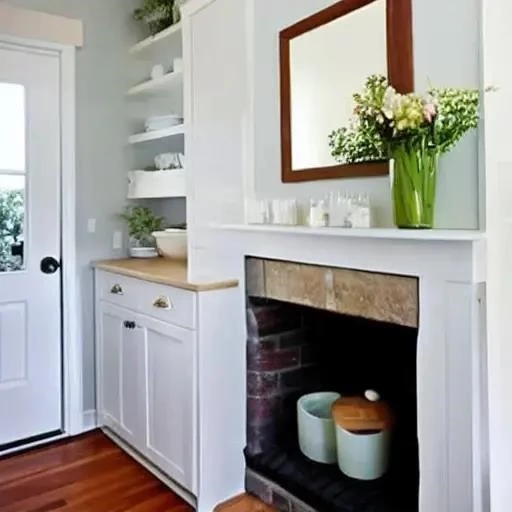
The modern home‚ a tapestry woven with threads of tradition and contemporary convenience‚ constantly evolves․ In this dynamic landscape‚ the placement of sacred spaces‚ particularly a mandir‚ often sparks contemplation and discussion․ For generations‚ the mandir has held a revered position‚ typically nestled in a dedicated prayer room or a quiet corner․ Yet‚ as urban living shrinks our available square footage and lifestyles become increasingly integrated‚ a fascinating question emerges: can the vibrant‚ bustling heart of the home—the kitchen—also serve as a spiritual sanctuary? This isn’t merely a logistical query; it’s a profound exploration of how we define sanctity and integrate our spiritual practices into the rhythm of daily life․
Many might initially recoil at the thought‚ picturing the sacred mingling with the mundane‚ perhaps even fearing disrespect․ However‚ a deeper examination reveals a compelling narrative of adaptation and reverence․ The kitchen‚ often seen as the epicenter of creation‚ nourishment‚ and family bonding‚ inherently possesses a powerful energy․ By carefully considering design principles‚ cultural nuances‚ and personal spiritual inclinations‚ placing a mandir in kitchen spaces is not only possible but can also usher in an unexpected wave of tranquility and positive vibrations‚ transforming the everyday act of cooking into a meditative ritual․ This forward-thinking approach‚ embraced by a growing number of homeowners and spiritual guides alike‚ challenges antiquated notions‚ opening doors to innovative domestic spirituality․
Key Considerations for Integrating a Mandir into Your Kitchen
| Aspect | Description | Key Considerations |
|---|---|---|
| Vastu Shastra & Direction | Traditional Indian architectural science for harmony and positive energy flow․ | Ideally North-East‚ East‚ or West․ Avoid South․ Ensure deities face North-East or East․ Avoid placing under overhead beams․ |
| Hygiene & Cleanliness | Maintaining sanctity and purity in a food preparation area․ | Keep mandir area meticulously clean‚ separate from cooking fumes/splashes․ Use a cabinet or shelf with doors to protect idols․ |
| Placement & Accessibility | How it integrates with kitchen layout and daily use without obstruction․ | Avoid directly above sinks‚ stoves‚ or restrooms․ Easily accessible but not obstructing workflow․ Ensure sufficient height․ |
| Design & Materials | Aesthetic integration‚ respectful construction‚ and material choices․ | Use natural materials (wood‚ marble)․ Incorporate subtle lighting․ Design should be harmonious with kitchen decor‚ perhaps a dedicated niche or floating shelf․ |
| Energy & Atmosphere | Enhancing positive vibrations and spiritual focus within the space․ | Keep clutter away․ Use incense or diffusers․ Maintain a calm‚ respectful environment around the sacred space‚ free from noise and distractions․ |
| Purpose & Intention | The underlying spiritual and personal motivations for its placement․ | Reflects a desire to integrate spirituality into daily life‚ fostering gratitude and mindfulness during food preparation and consumption‚ elevating daily rituals․ |
For further guidance on Vastu Shastra principles‚ consult Vastu Shastra Official Resources (example link)․
Historically‚ the kitchen has been regarded as a sacred space in many cultures‚ often associated with the goddess Annapurna‚ the deity of food and nourishment․ It is the crucible where raw ingredients are transformed into life-sustaining meals‚ a daily act of alchemy․ Integrating a mandir here‚ therefore‚ isn’t a radical departure but rather a return to an ancient understanding of the kitchen’s inherent divinity․ “We are witnessing a fascinating re-evaluation of home design‚” explains Dr․ Ananya Sharma‚ a cultural anthropologist specializing in spiritual architecture․ “Modern urban dwellers are ingeniously carving out spaces for devotion where traditional layouts simply don’t permit․ The kitchen‚ being the hub of activity‚ becomes a natural extension of their spiritual journey․”
The practicalities‚ while seemingly daunting‚ can be elegantly overcome with thoughtful design․ Imagine a beautifully carved wooden niche‚ subtly illuminated‚ housing deities or sacred symbols․ This isn’t about placing a full-fledged temple next to your stovetop; it’s about crafting a dedicated‚ clean‚ and reverent corner․ Leading interior designers are increasingly incorporating these micro-sacred spaces‚ utilizing clever cabinetry and innovative partitioning to ensure separation from cooking activities while maintaining visual accessibility․ By integrating insights from Vastu Shastra‚ for instance‚ designers are advising placements in the North-East or East directions‚ considered auspicious for spiritual energy‚ thereby harmonizing the culinary and the divine within a single vibrant space․
Beyond the structural considerations‚ the profound benefits of a kitchen mandir are truly transformative․ It serves as a constant‚ gentle reminder to approach the act of cooking with gratitude‚ mindfulness‚ and a sense of offering․ Preparing meals‚ often a hurried chore in contemporary life‚ can thus be elevated into a mindful practice‚ imbuing the food with positive energy․ This shift in perspective can ripple outwards‚ fostering a more peaceful and harmonious atmosphere throughout the entire home․ Families‚ witnessing the sacred altar daily‚ are subtly encouraged towards moments of quiet reflection‚ even amidst the morning rush or evening meal preparation‚ effectively weaving spirituality into the very fabric of their everyday existence․
In an increasingly fast-paced world‚ the quest for inner peace and spiritual connection remains paramount․ The concept of a mandir in kitchen is more than just an architectural choice; it represents a bold‚ optimistic embrace of evolving traditions and personalized spirituality․ It demonstrates an innovative spirit‚ bridging ancient wisdom with modern necessity‚ proving that sanctity isn’t confined to dedicated temples but can flourish in the most unexpected‚ yet profoundly meaningful‚ corners of our homes․ This forward-looking approach invites us to reimagine our living spaces‚ turning every corner into a potential haven for peace‚ purpose‚ and profound connection‚ enriching our lives in remarkably tangible ways․